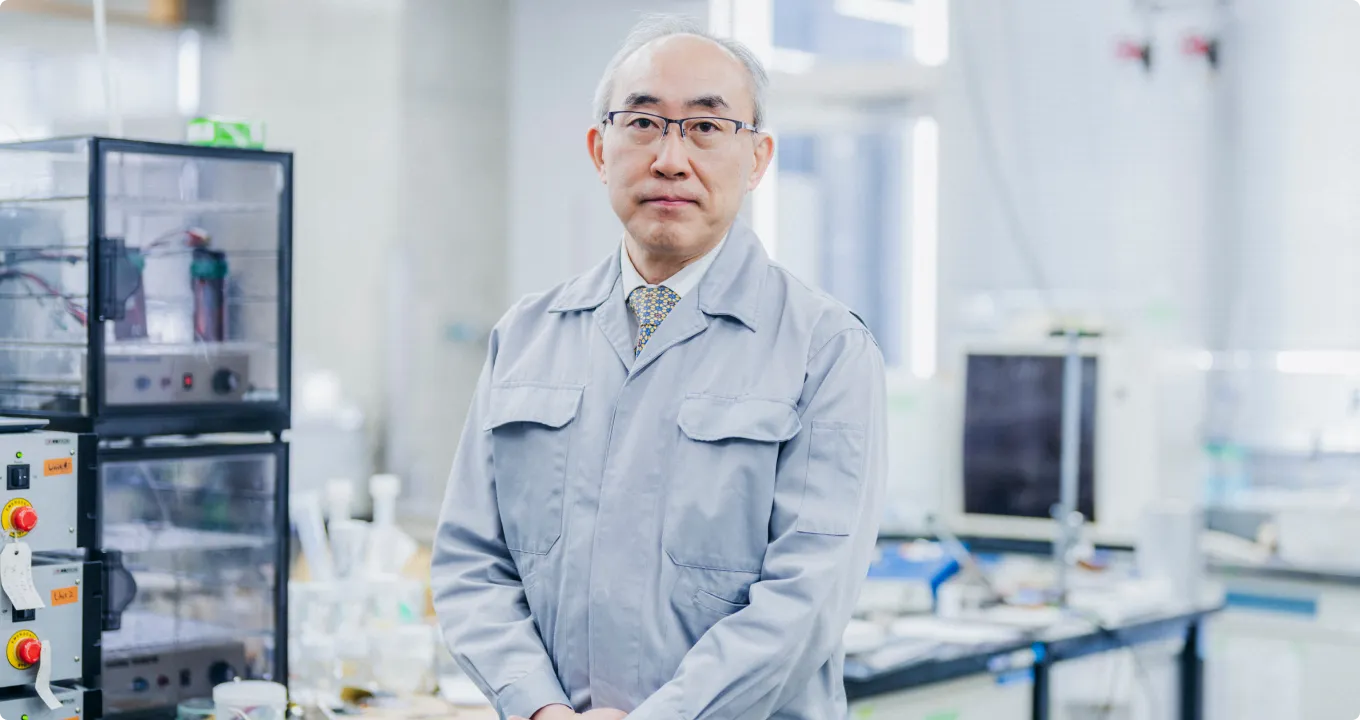
Energy storage devices such as rechargeable batteries and capacitors that can convert chemical energy into electrical energy with high efficiency and energy generation devices such as fuel cells are essential for realizing a decarbonized society because they contribute to both energy conservation and CO2 reduction. To improve these energy storage and generation devices, it is necessary to enhance the performance of the components, such as the electrodes, electrolytes, and electrocatalysts in the devices. To do this, it is important to design materials from a microscopic viewpoint.
In our laboratory, we focus on water and hydrogen in materials design. We are developing electrodes, electrolytes, and electrode catalysts for energy storage and generation devices that contain water (aqueous solutions), as well as electrode catalysts and hydrogen carriers for efficient hydrogen production, storage, and transport.
Currently, we are particularly focusing on the creation of hydrogel electrolytes and positive electrodes for zinc negative electrode rechargeable batteries, the creation of electrodes and electrolytes for aluminum negative electrode rechargeable batteries, the fabrication of hybrid capacitors, the creation of electrode catalysts for polymer electrolyte fuel cells and direct alcohol fuel cells, and the creation of electrode catalysts for hydrogen production in alkaline water electrolysis.
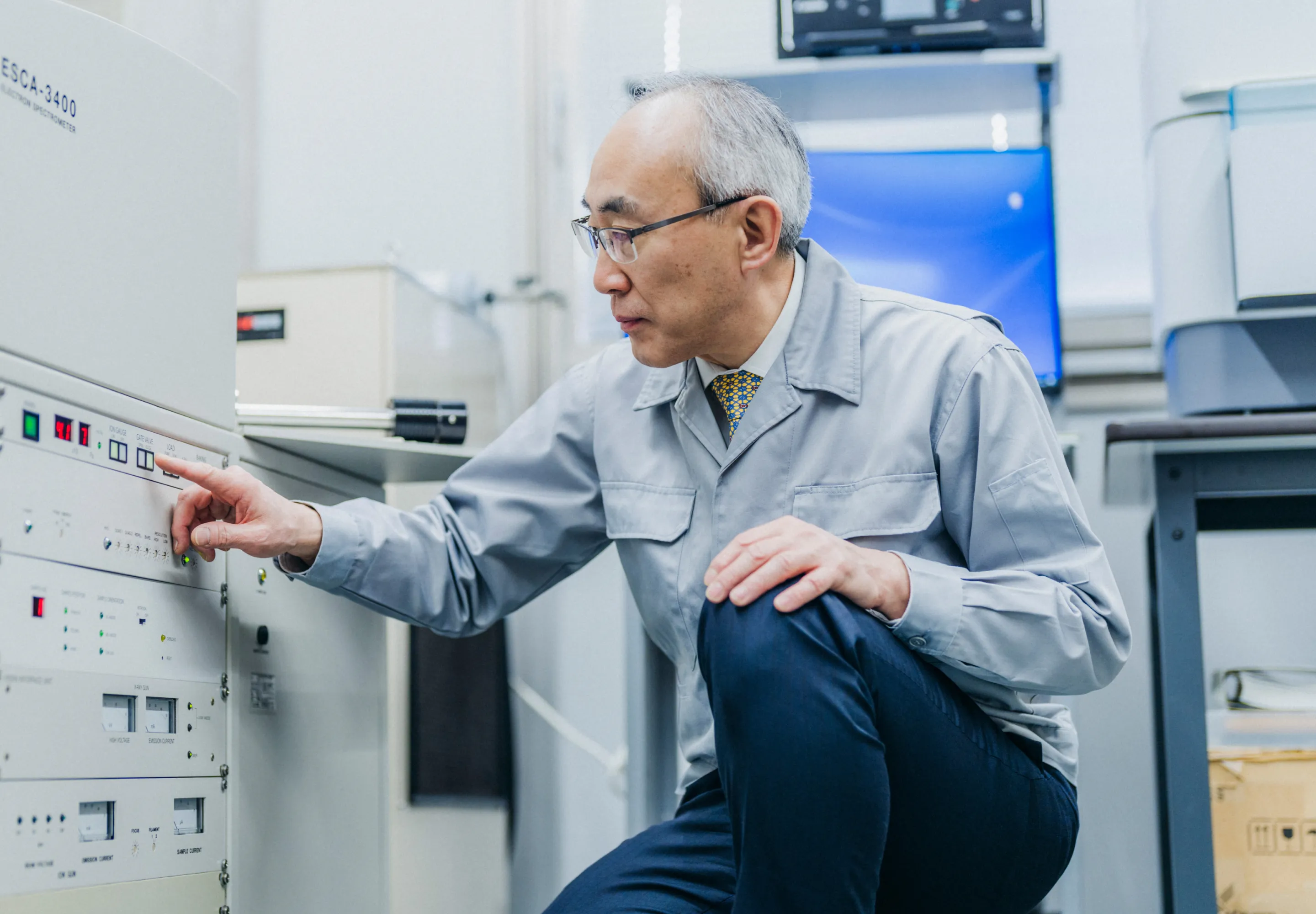
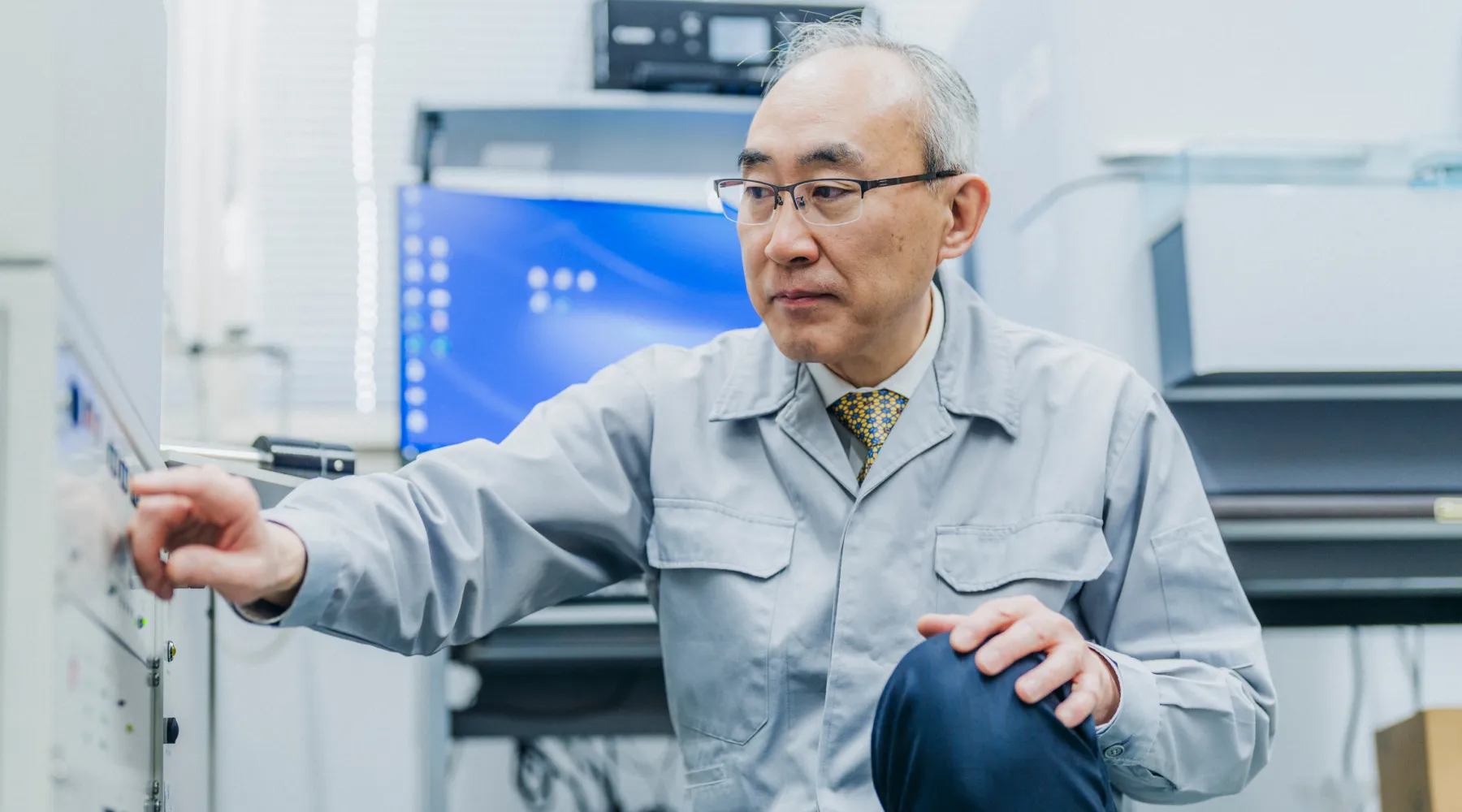
To do these studies, various experimental equipment is essential, including X-ray diffraction and photoelectron spectroscopic apparatuses, various spectroscopic and electrochemical apparatuses, electron microscopes, glove boxes, etc. Our laboratory has many experimental apparatuses. These apparatuses are available whenever you want, so you can get the results you need without any time limits. We encourage students in our laboratory to actively take advantage of this well-established environment, and gain a lot of experimental experience.
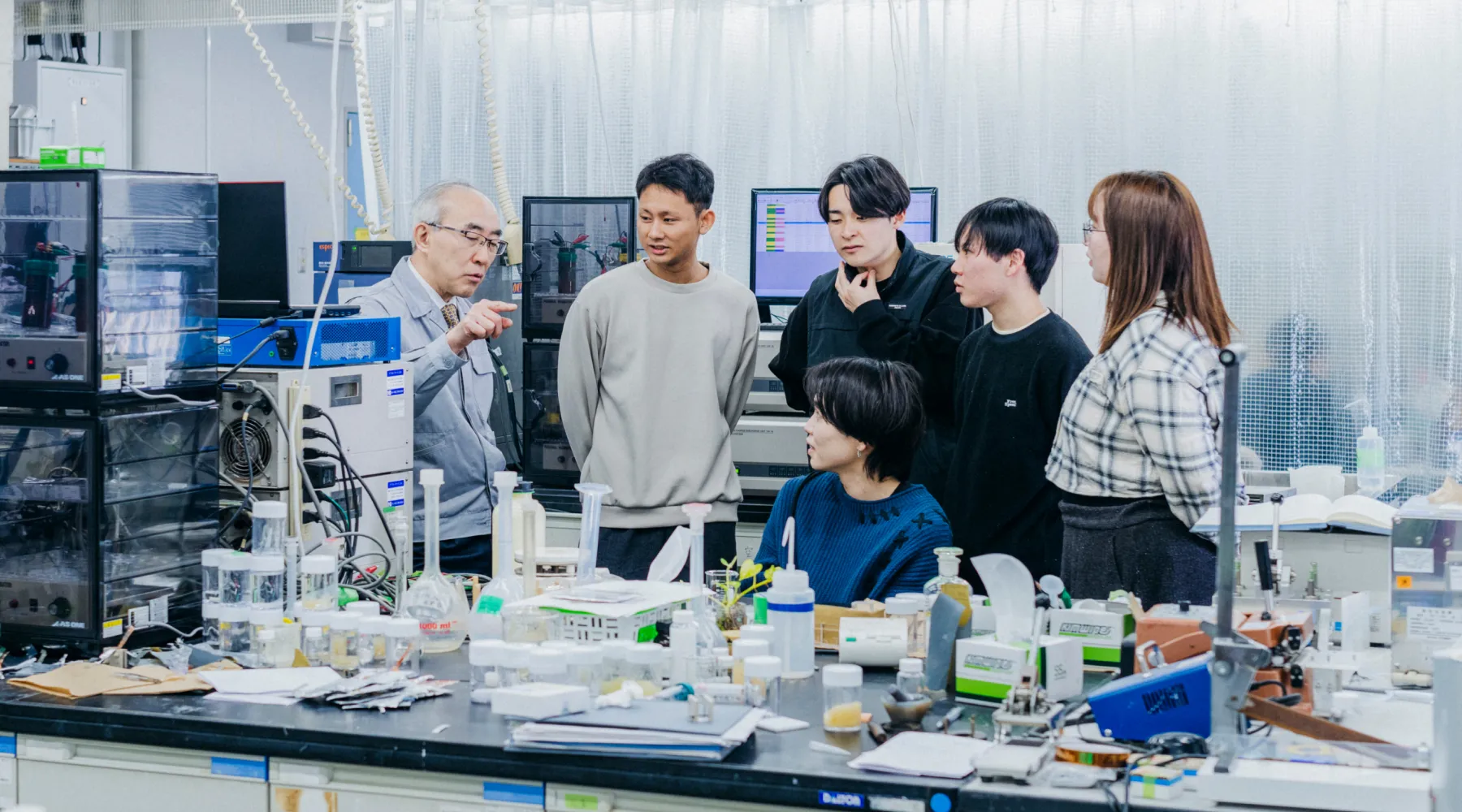
With the current urgent need to realize a decarbonized society, research and development of highly efficient energy storage and generation devices are attracting worldwide attention. As such, it is very meaningful for people of various nationalities to gather and discuss openly and lively. Our laboratory actively accepts international researchers and students from diverse backgrounds.
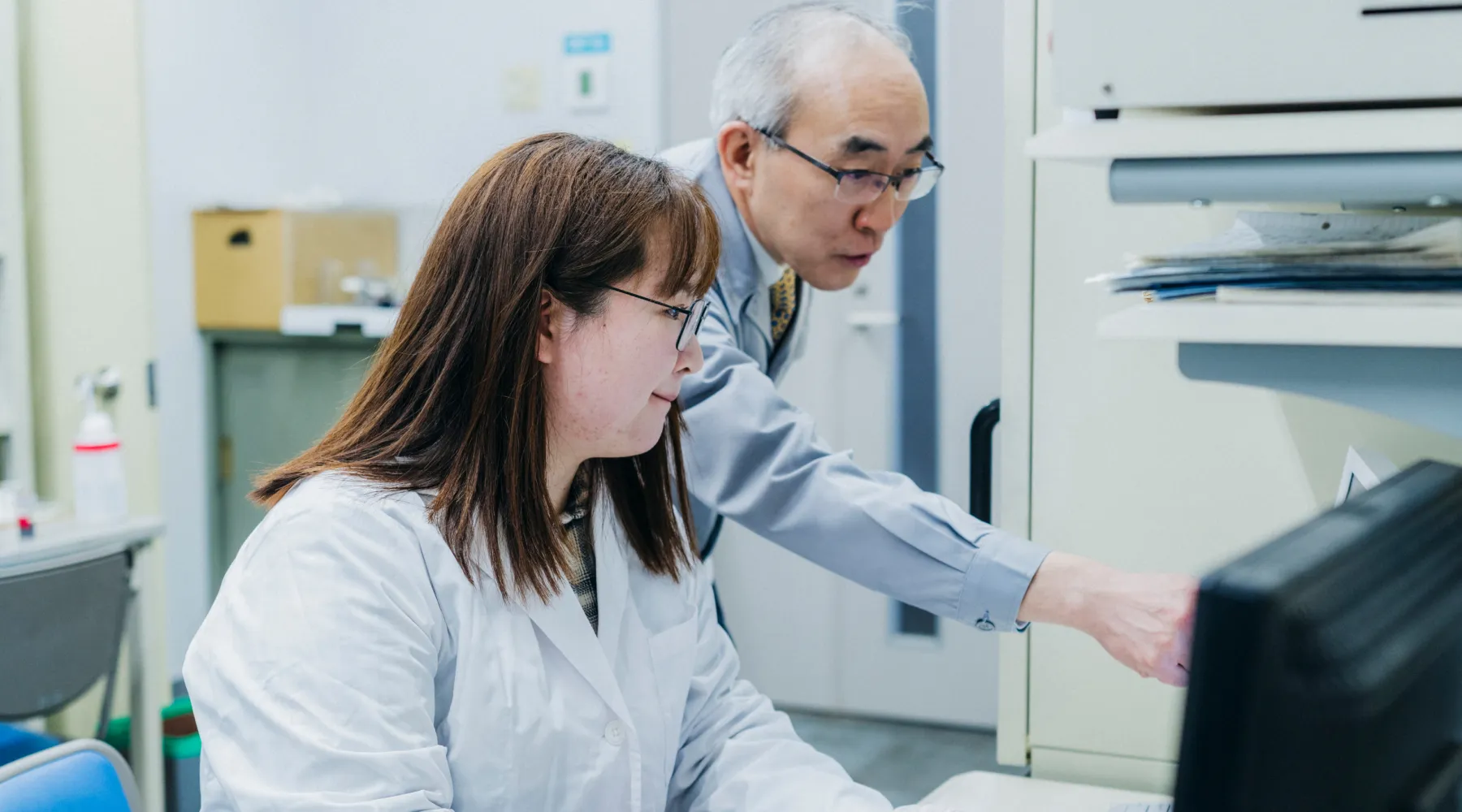
We communicate closely with international students in English or Japanese. Particularly, for Japanese, a level of passing the JLPT N1 level is required. In our laboratory, exchange between international and Japanese students naturally occurs, and they participate in international conferences and other activities. We hope that students will inspire each other through these exchanges to dedicate themselves to research and learn the skills they need to be globally active in the future.