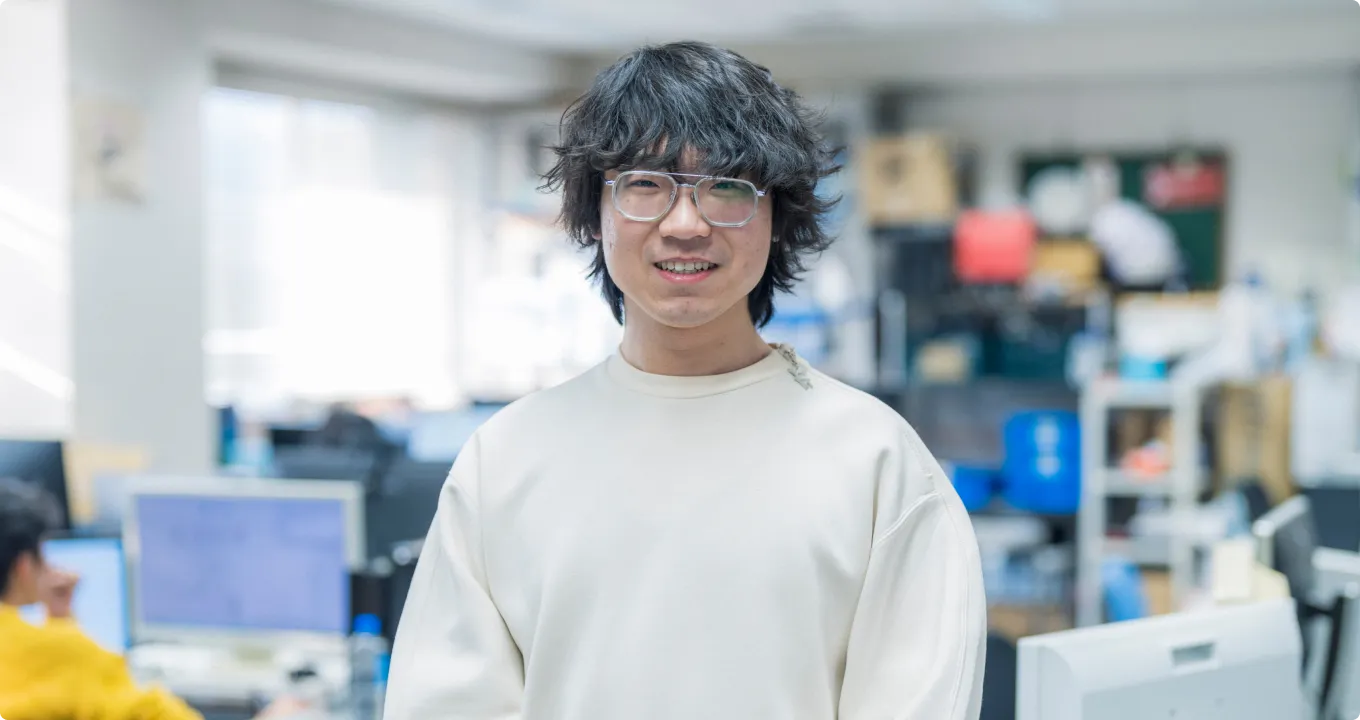
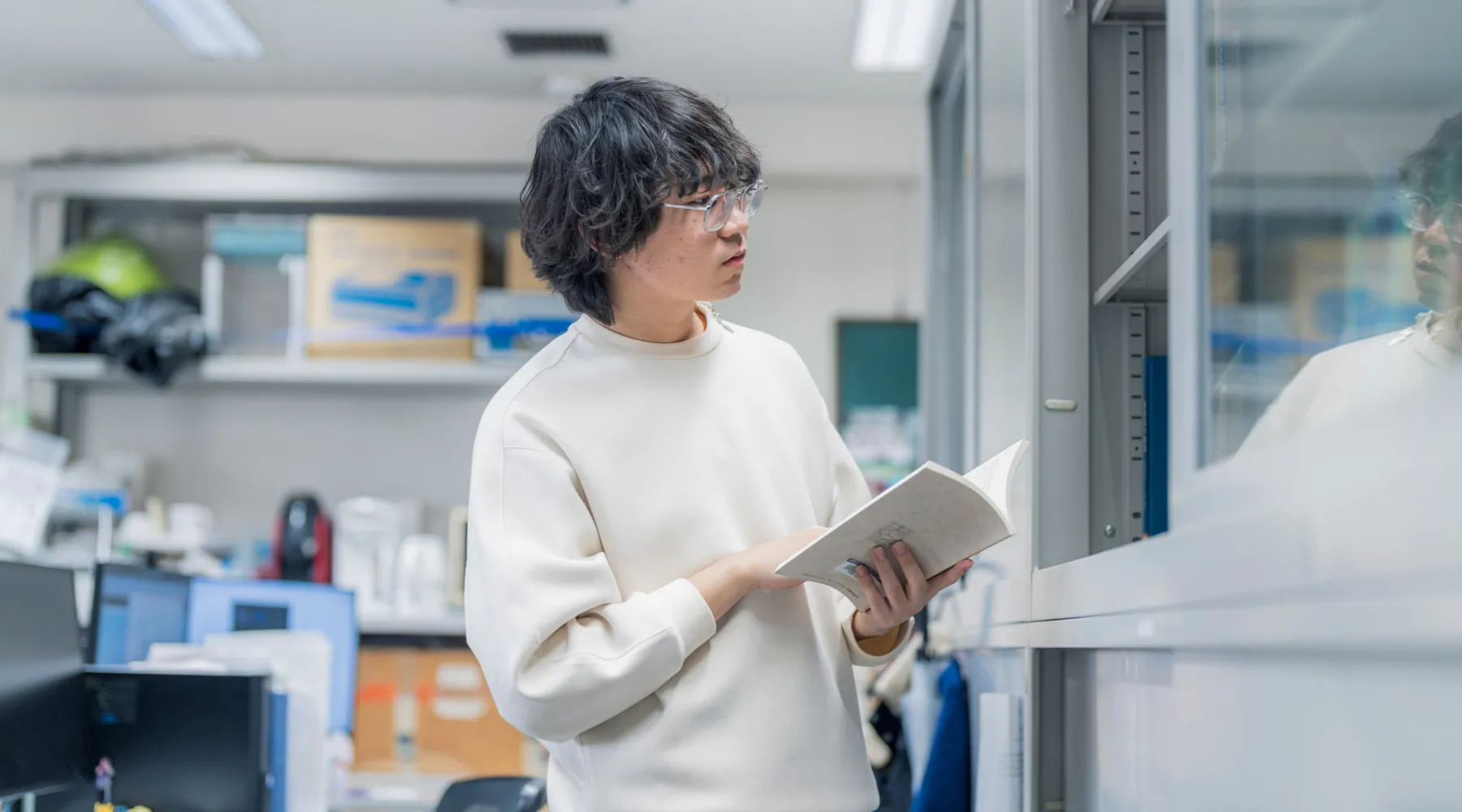
During my university years in China, I studied a broad range of topics related to urban environments, gas, and energy. My decision to study at Osaka Metropolitan University was sparked by reading Professor Nabeshima’s research papers. His work aligned closely with my research interests, leading me to join his laboratory from the master’s program.
I have been learning Japanese since middle school and have considered studying abroad for a long time. Among all the places in Japan, Osaka was where I wanted to go the most. Watching Japanese anime introduced me to the Kansai dialect, a distinctive regional accent, which piqued my interest. After arriving in Osaka, I found that the city offers a perfect balance between a lively urban environment and spacious parks where I can connect with nature. It is an incredibly comfortable place to live. The food is also fantastic. I especially enjoy yaki-gyoza, a dish that has its own unique style in Japan.
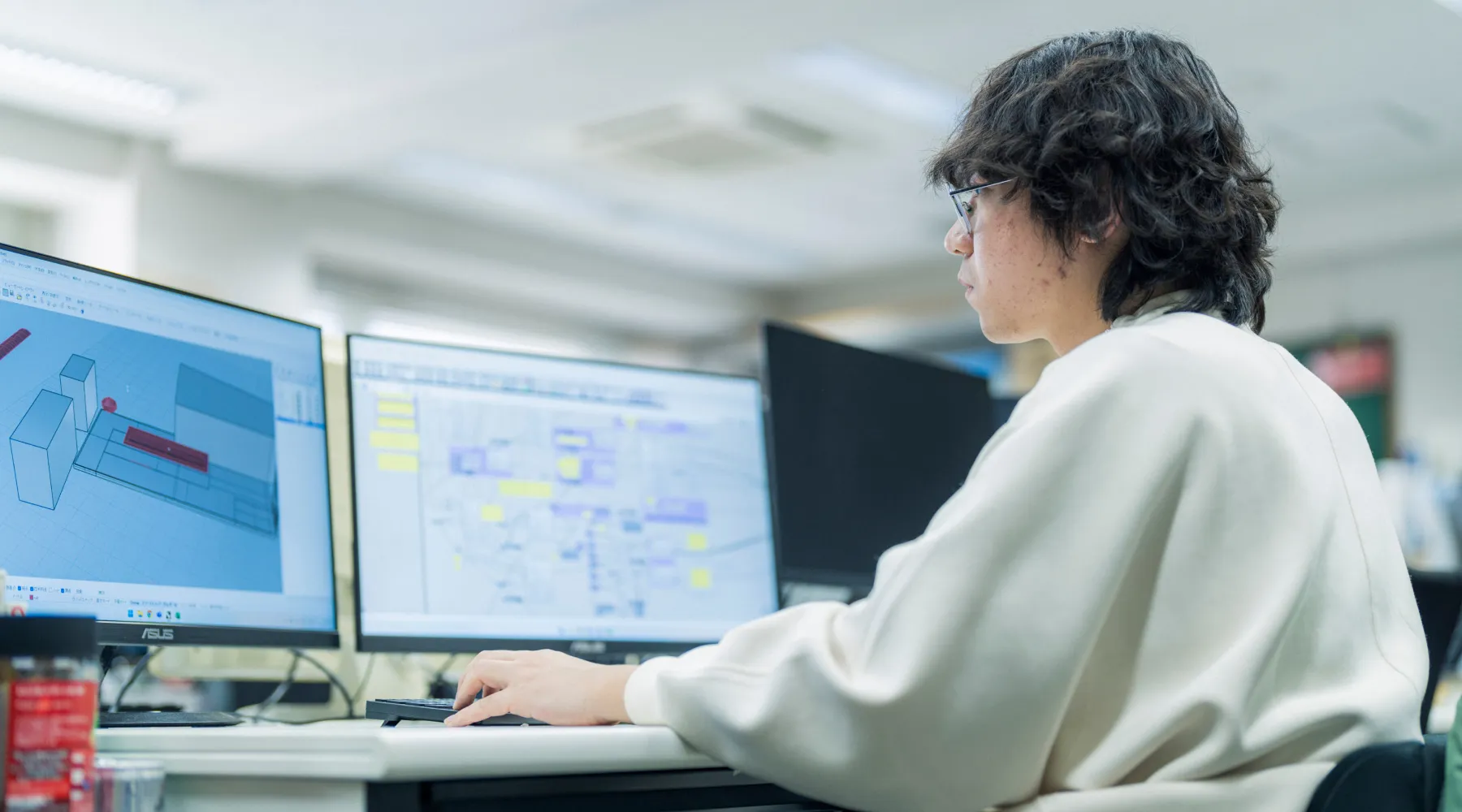
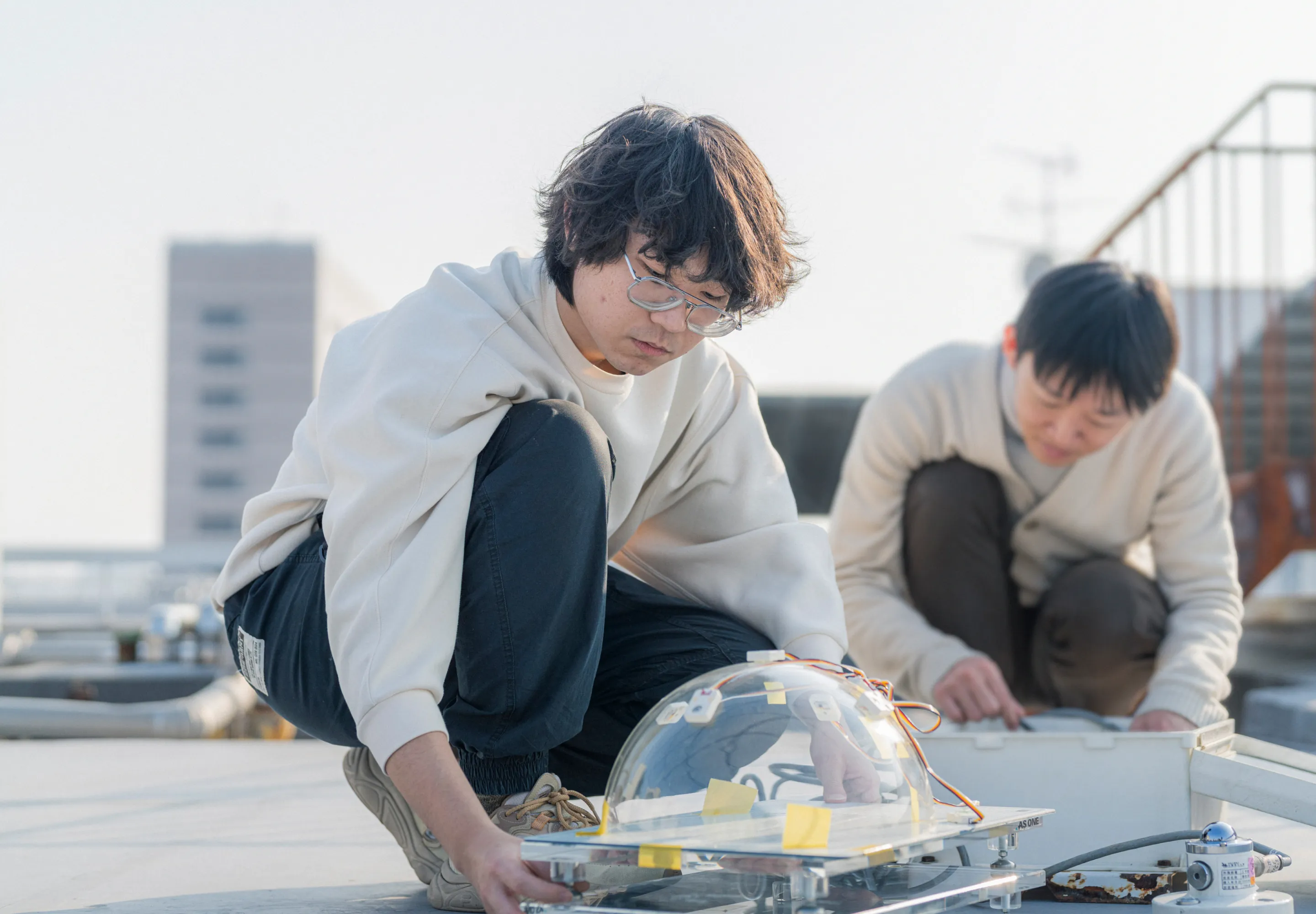
My current research focuses on outdoor thermal comfort. Specifically, I am evaluating the effectiveness of cool spots in urban environments by combining software-based simulations with real-world measurement data. In the future, I aim to apply these evaluations to society, providing technical support for designing more effective new cool spots.
Osaka, my research field, is known for its high humidity during summer. Some cool spots use mist-spraying systems that rely on evaporative cooling. However, in high-humidity regions, the mist does not evaporate efficiently, making it difficult to achieve significant cooling effects. If we can develop effective heat mitigation strategies for such conditions, they could potentially be applied to other countries with similar climates.
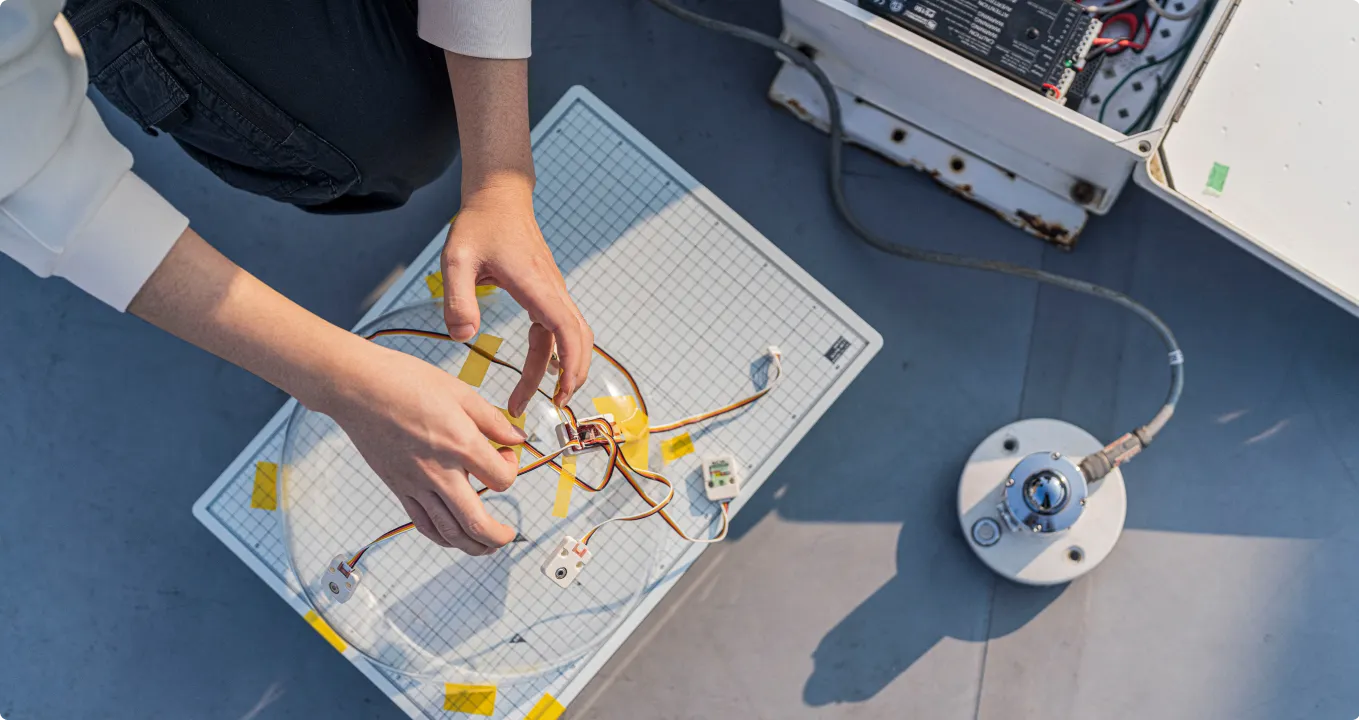
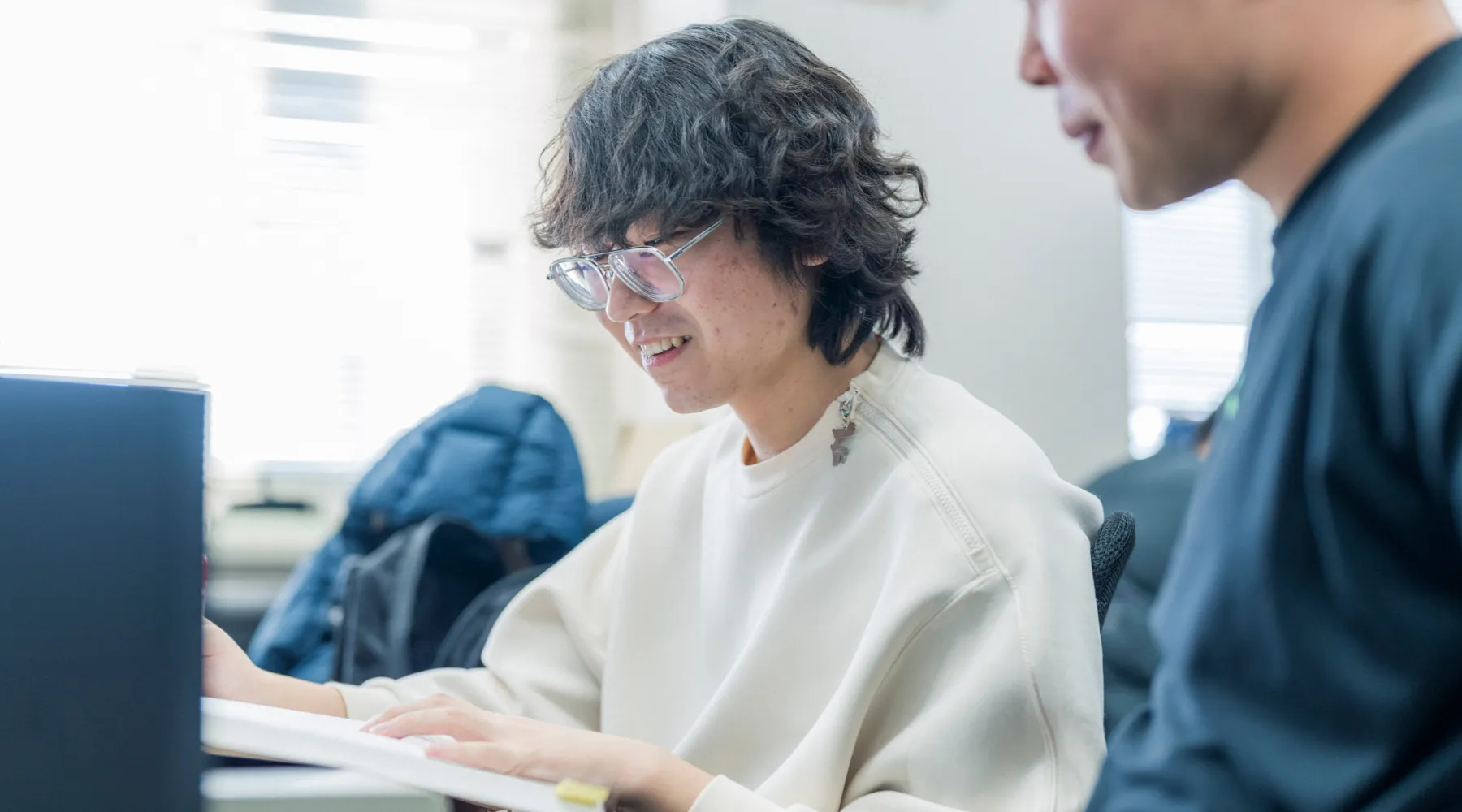
During my first year in Japan, I took undergraduate courses as a research student. When I entered the master’s program, the teaching style changed significantly, shifting towards student-led presentations. At first, I found this challenging, but thanks to the support of my professor and lab members, I gradually adapted.
The atmosphere in the lab is very friendly, and everyone actively communicates, often helping each other with experiments. We frequently go out for meals together and play games to unwind from research, making student life incredibly enjoyable. One of my favorite memories was traveling with my lab mates, visiting a brewery, and playing bowling.
For those planning to study abroad, it may take some time to adjust to a new environment. However, with an open and flexible mindset, you will gradually adapt to Japanese culture and customs, allowing you to fully enjoy a fulfilling study abroad experience.