イベント・コンテンツ情報
2025年12月19日
- 台湾師範大学(NTNU)短期交流プログラム
- イベント・コンテンツ
【報告】2025年度 海外短期派遣プログラム in 台湾 RHIZOME Global Co-Creation Camp in Taiwan(2025年12月8日〜18日開催)/ Implementation of the SPRING Initiative Taiwan Short-Term Program: RHIZOME Global Co-Creation Camp in Taiwan (December 8 to 18, 2025)
次世代事業プログラム生11名は、2025年12月8日から18日まで台湾で開催された「RHIZOME Global Co-Creation Camp」に参加しました。本海外短期派遣プログラムは、本学と学術交流協定を締結している国立台湾師範大学(NTNU)との連携によって実施されました。
本プログラムは、博士課程学生が学際的な視点を養い、国際的なネットワークを構築し、異文化理解を深めることを目的として設計されています。これらの経験は学生の学術的成長および将来のキャリア形成にとって重要な意義を持ちます。また、本プログラムの目的は、学際的研究への参画能力を育成し、社会課題の解決や未来のグローバル社会の創出に貢献する人材の育成を目指す、次世代事業プログラムの理念とも一致しています。
本短期プログラムは、異なるキャンパスから集まった5研究科の博士課程学生が参加しました。参加者は多様な国籍を有し、理学、工学、農学、医学、法学といった幅広い分野にまたがっていました。学生には、この事業のメンターを務める水内特任教授、大塚特任教授に加え、イップ特任助教、職員が期内を分担して同行しました。本プログラムにおけるすべてのコミュニケーションは英語で行われました。
この短期プログラムは、化学分野の研究者であり国立台湾師範大学の進修推廣學院副院長や日台科学教育交流会理事長を務める宋蕙伶教授との密接な連携のもと実施されました。宋教授は、本学事業担当と事前の周到な準備のもと、プログラムの目標達成に向けて活動内容を企画・運営に尽力されました。「RHIZOME Global Co-Creation Camp」は2024年度に続き、今回が2回目の実施となります。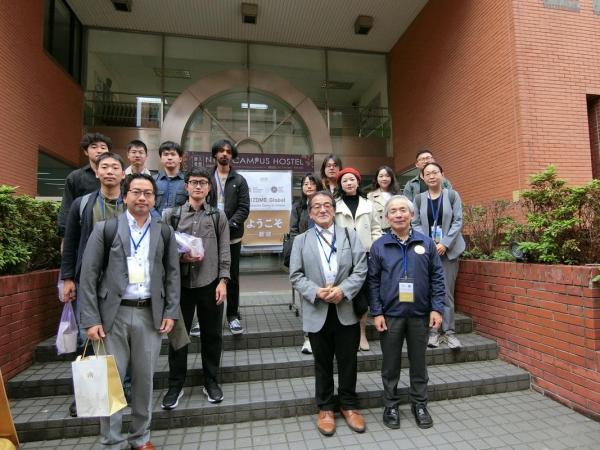
NTNUゲストハウス前にて全参加者と同伴教職員の集合写真
Group photo of all participants and accompanying staff members in front of NTNU Guest House
プログラムの全体構成は以下の5点に集約されます:
① 国立台湾師範大学、国立清華大学、台北市立大学、国立宜蘭大学における教員・大学院生との交流
参加者は、国立台湾師範大学はじめとするさまざまな研究科および研究センターに所属する教員や大学院生と交流しました。例えば、NTNUでのワークショップでは、実践的な課題に取り組みながら、データの扱い方や思考プロセスについて意見交換を行いました。国立清華大学では、最先端の科学技術の発展を知るとともに、産学連携への理解を一層深めました。台北市立大学では、都市環境 ・社会問題に関する研究者と交流を深めました。国立宜蘭大学では、蜂農場を見学し、養蜂の現場において、蜂の生態と直接観察する機会を得ました。また NTNU の本部キャンパスでの伝統ある校舎建築と、特徴のある植栽についても知識を深めました。これらの交流を通じて、研究手法や学際的な連携に関する建設的な議論が行われました。
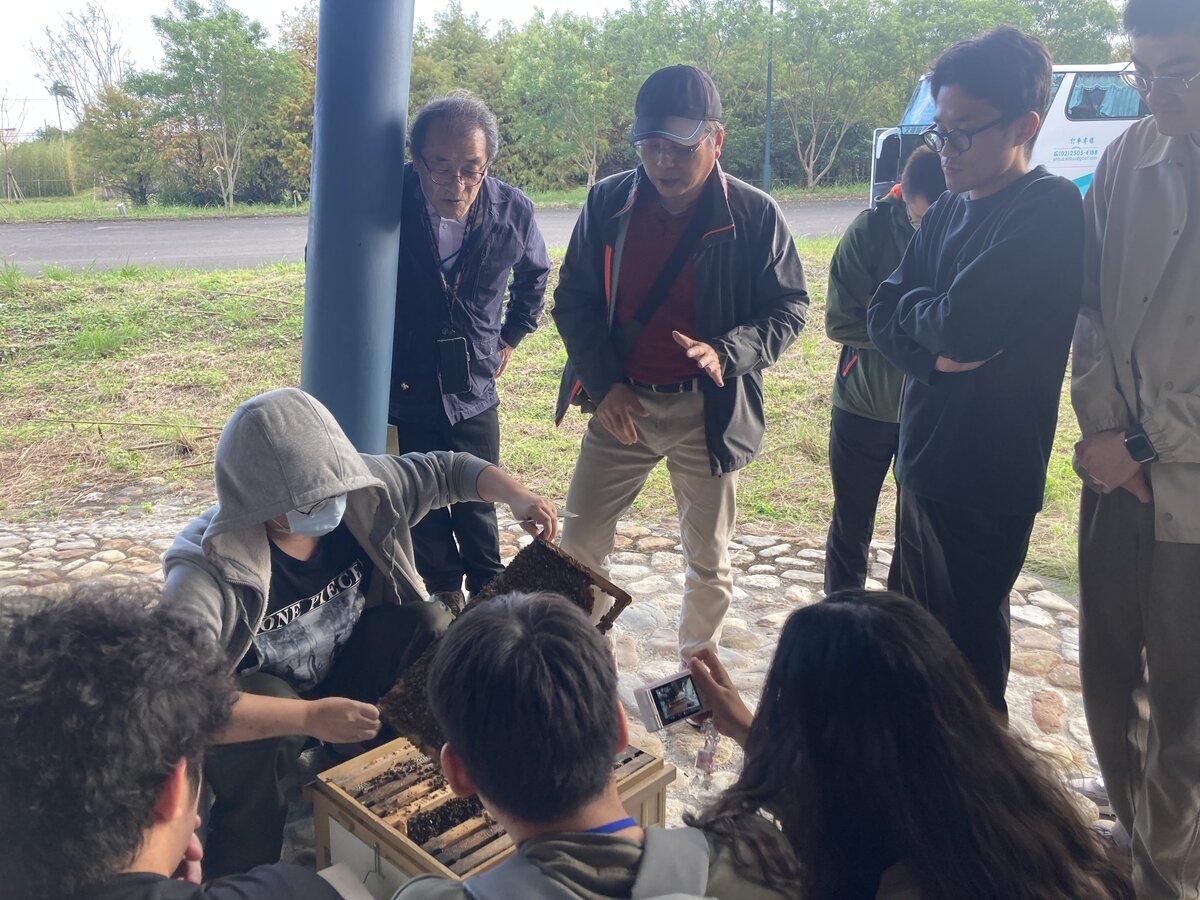
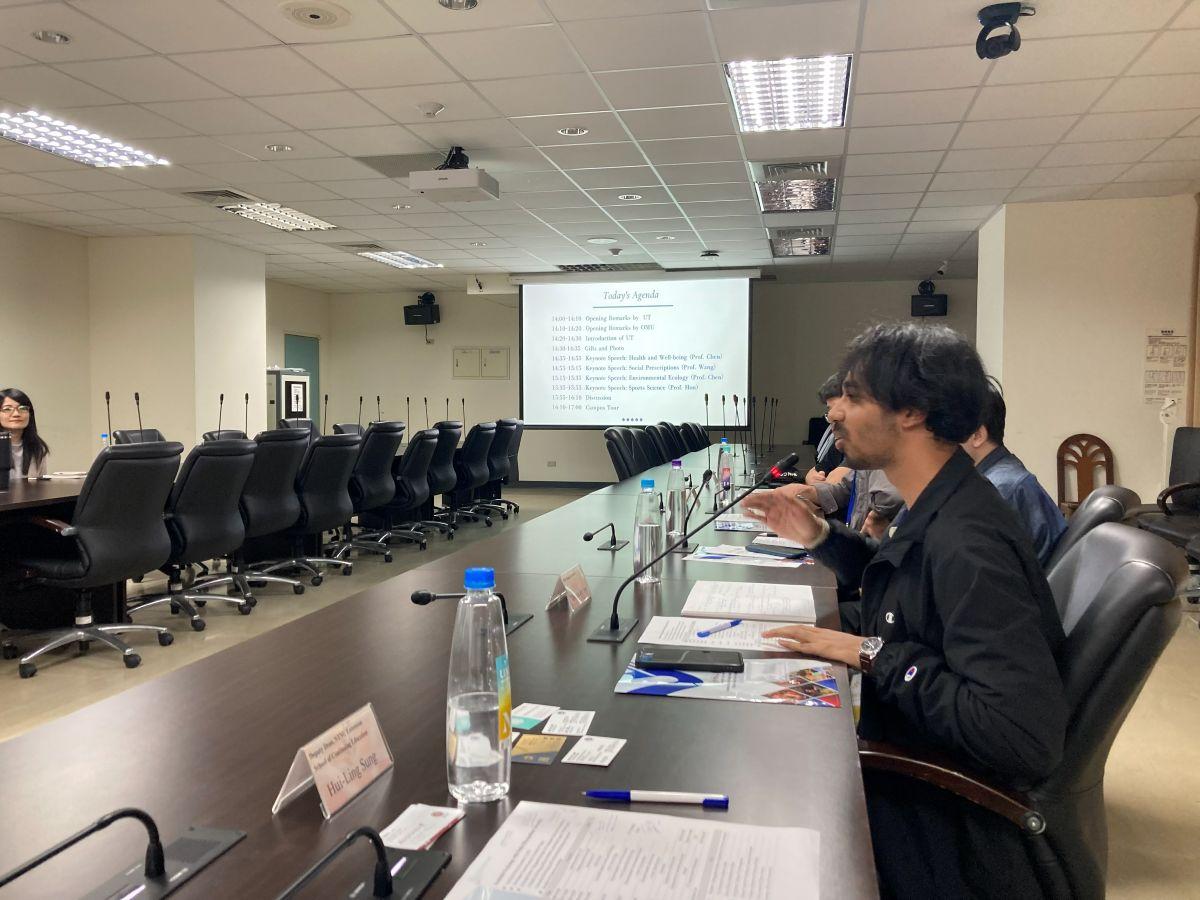
国立宜蘭大学の養蜂場見学
Visit to an apiary at National Ilan University
台北市立大学の研究交流会での質疑応答
Q&A session during the research exchange meeting at the University of Taipei
② 台湾における日本人研究者および日系企業の訪問
参加者は台湾で活躍する日本人研究者および日系企業を訪問しました。国際的な研究活動とキャリア経験が豊富な研究者からは、研究の方向性やキャリア形成に関する有益な助言を得ることができました。また、国立清華大学の北森武彦教授を訪問した際には、台湾の技術的発展の最先端について学ぶ機会となりました。パナソニック台湾本社の訪問を通じて、企業の歴史や最近の展開、日本本社との関係について理解を深め、台湾の企業環境や日台間のビジネス関係について学びました。
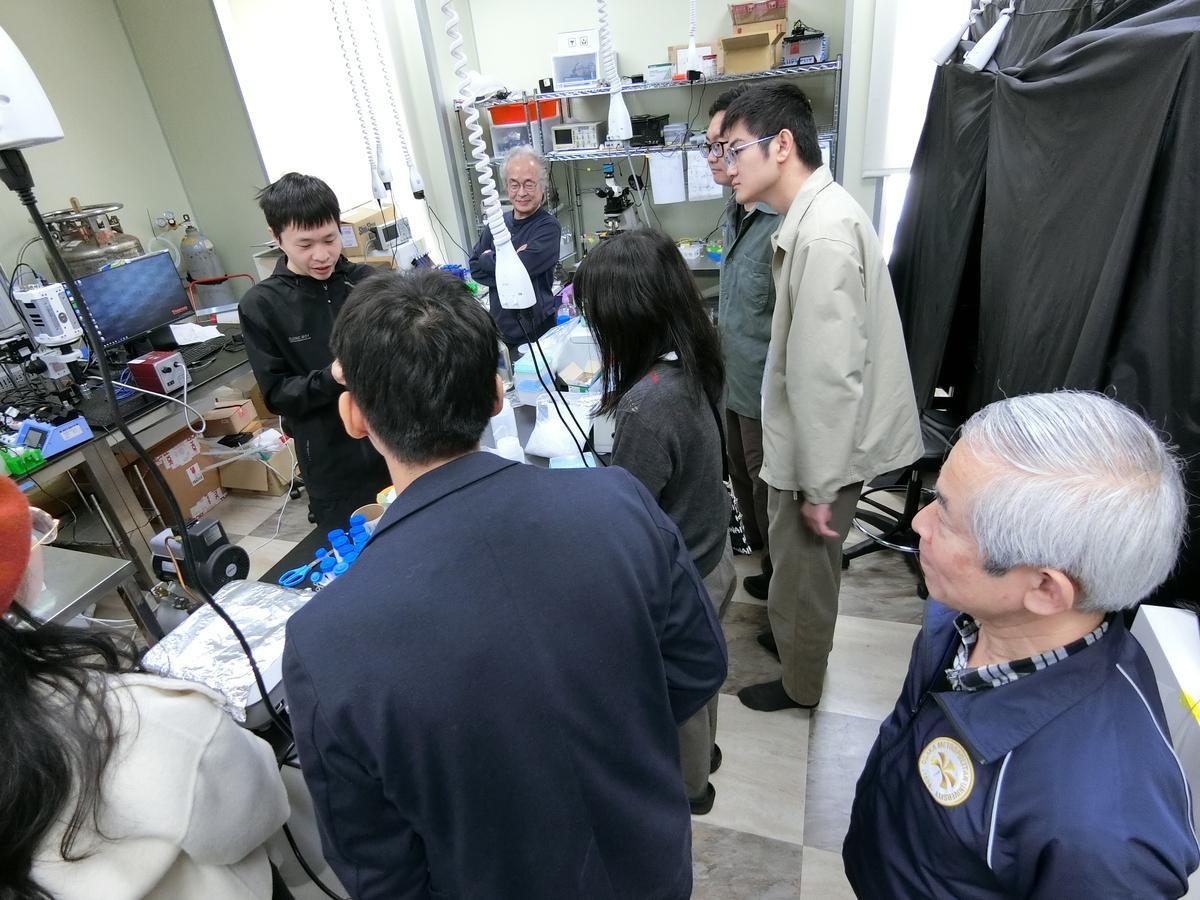
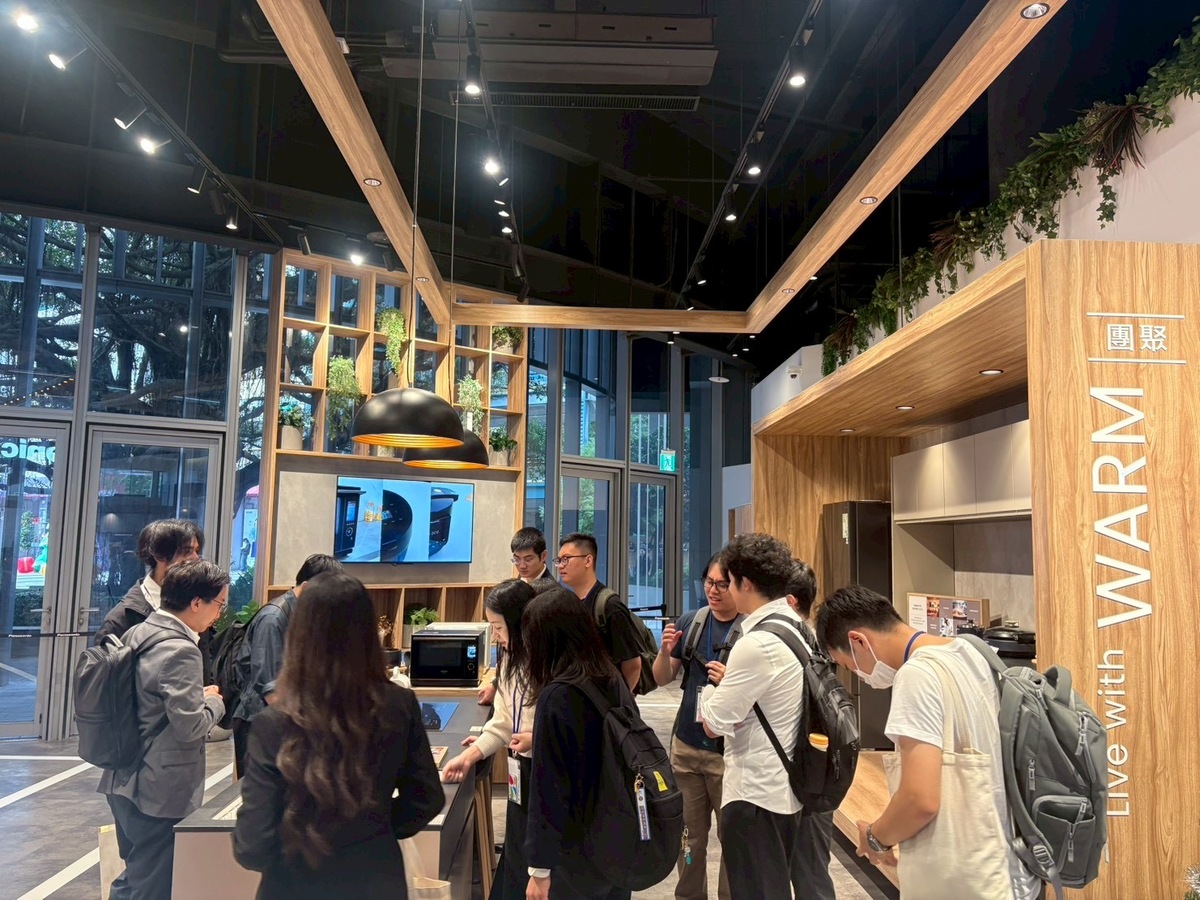
国立清華大学の北森武彦玉山栄誉講座教授(東京大学前副学長)の研究室を訪問
Visit to the laboratory of Professor Takehiko Kitamori (Former Vice President of the University of Tokyo and currently Yushan Honorary Chair Professor at National Tsing Hua University)
パナソニック台湾本社を訪問し、台湾における日系企業の最新の展開状況について理解を深める
Visit to Panasonic Taiwan headquarters to learn about the latest developments of Japanese companies in Taiwan
③ 台湾の歴史・社会に関するフィールドワーク
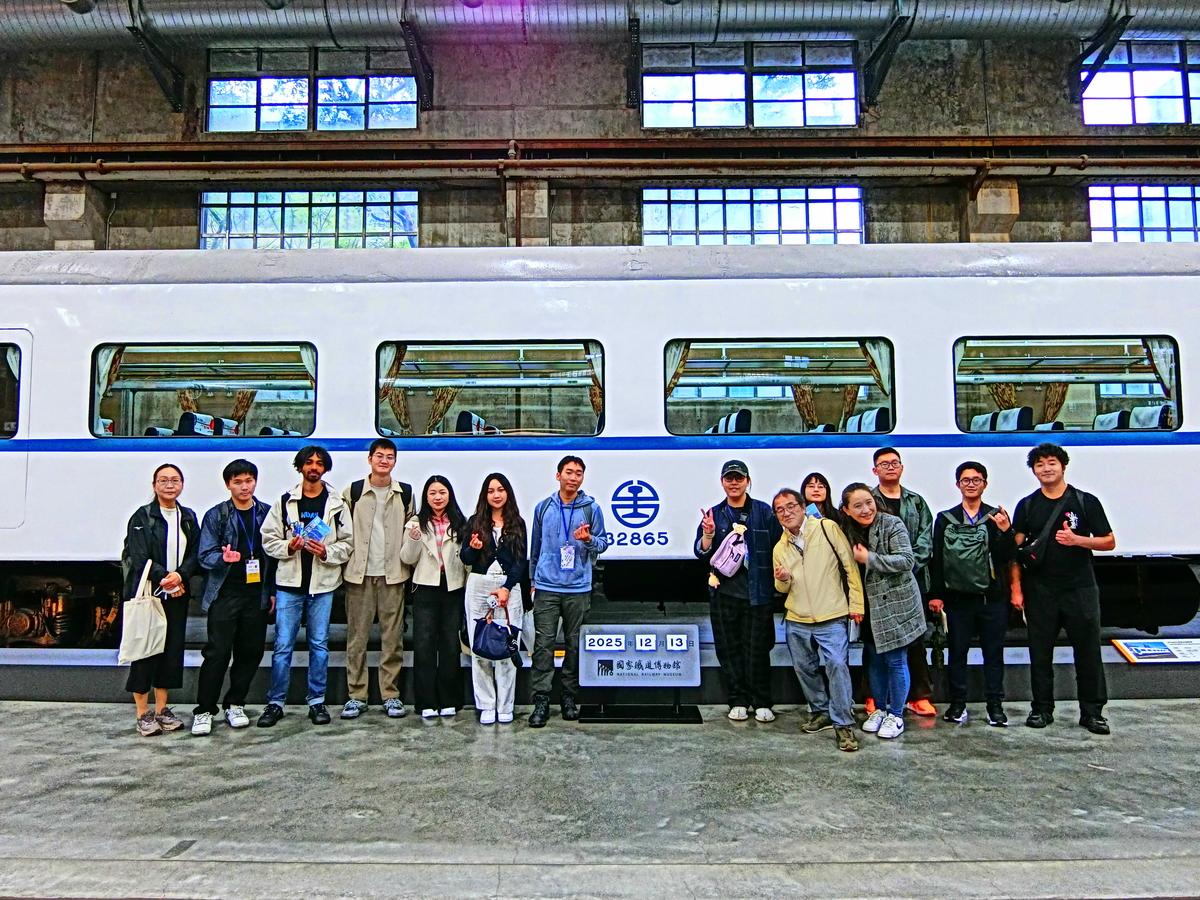
参加者は、国立台湾師範大学の蘇淑娟教授の案内による金瓜石およびその周辺地域へのフィールドトリップを体験しました。日治時代に形成された旧金 ・ 鉱山の大規模集落の日常生活と歴史について学び、それに戦争期の捕虜収容所に関するメモリアルホールも訪れました。また、台湾社会における宗教や廟の役割に加え、地域の地形 ・地質や自然景観の保全についても理解を深めました。さらに、国立台湾博物館、中央研究院歴史語言研究所の博物館、および国立鉄道博物館を訪問し、台湾の歴史、文化、発展を多角的に捉える機会を得ました。
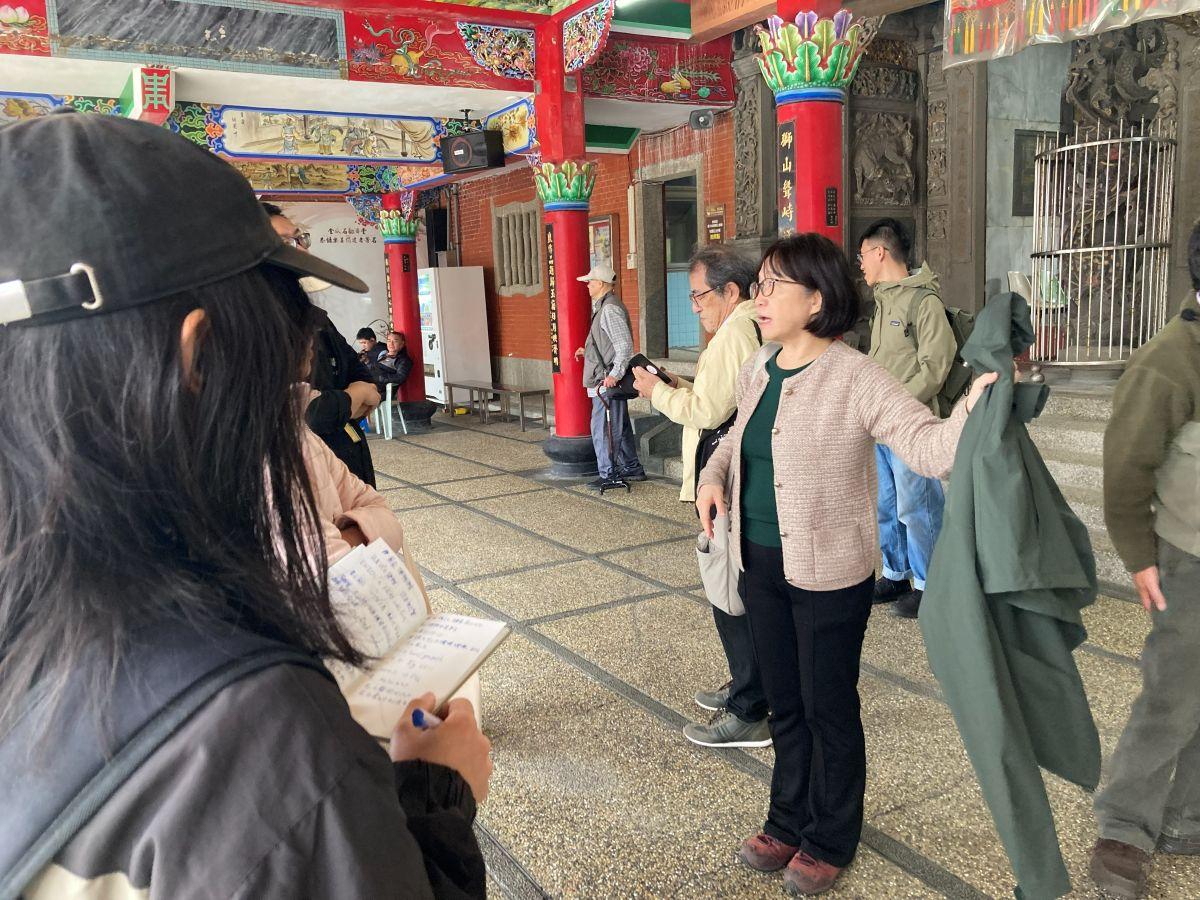
金瓜石にて、NTNUの蘇淑娟教授のガイドを受け、旧金鉱山集落の生活と歴史を学ぶ
Guided tour in Jinguashi by NTNU professor Shu-Juan Su to learn about everyday life and history of the former gold-mining settlement
国立鉄道博物館での記念写真
Group photo at the National Railway Museum
④ 台湾の地域社会や文化的基盤の学び
参加者は、ディアボロの体験を通じて、台湾の伝統的な文化の一端に触れました。参加者の中には、ディアボロの技の背後にある物理学や数学的原理について説明を試みる学生もいました。台湾の学生との文化交流の機会も得られました。さらに、台北市立大学の年次スポーツパフォーマンスショーを鑑賞し、台湾の大学における活気ある文化的活動を体験しました。
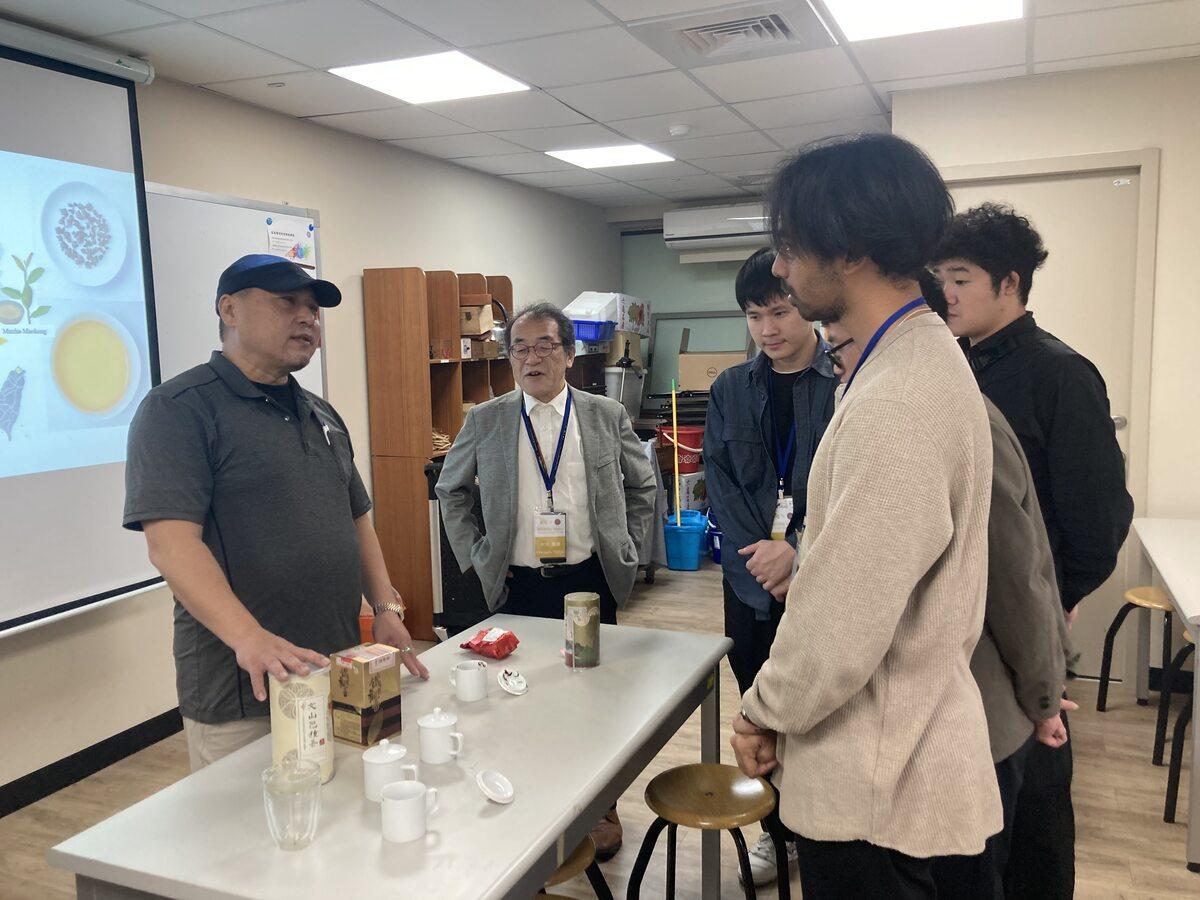
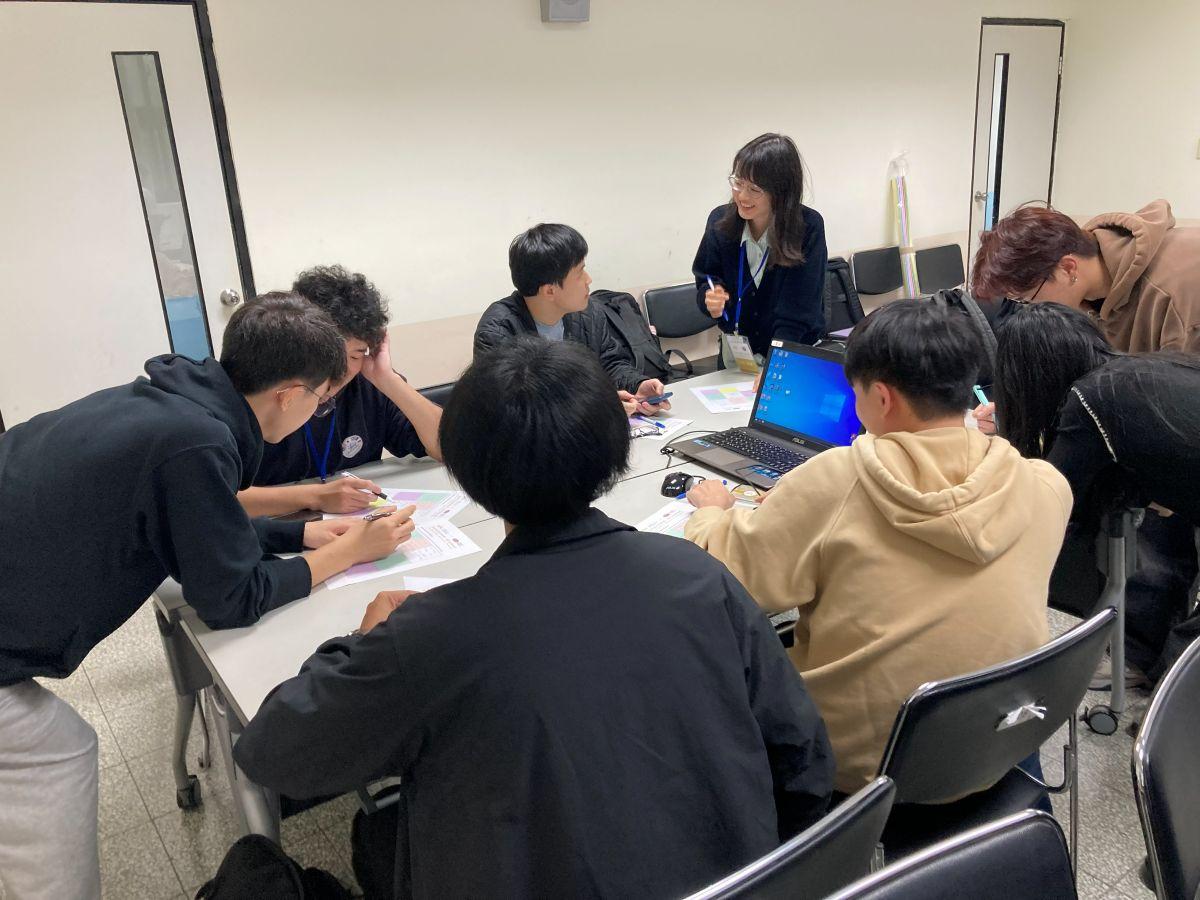
NTNUで台湾茶産業の生産と消費に関する講義
Lecture on the production and consumption of the Taiwanese tea industry at NTNU
台湾の学生との文化交流
Cultural interactions with students in Taiwan
⑤ 英語でのプレゼンテーション能力およびコミュニケーションスキルの向上
本プログラムでは、参加者間の主なコミュニケーション言語として英語が用いられました。英語によるプレゼンテーションおよびコミュニケーション能力の向上を目的としたセミナーも実施されました。宜蘭美術館を訪問した際には、参加者はオーストラリア人アーティストと出会い、作品について英語で議論する機会得ました。これらの活動を通じて、参加者は日常の研究活動から一歩離れ、異なる文化的環境を体験する貴重な機会を得ました。
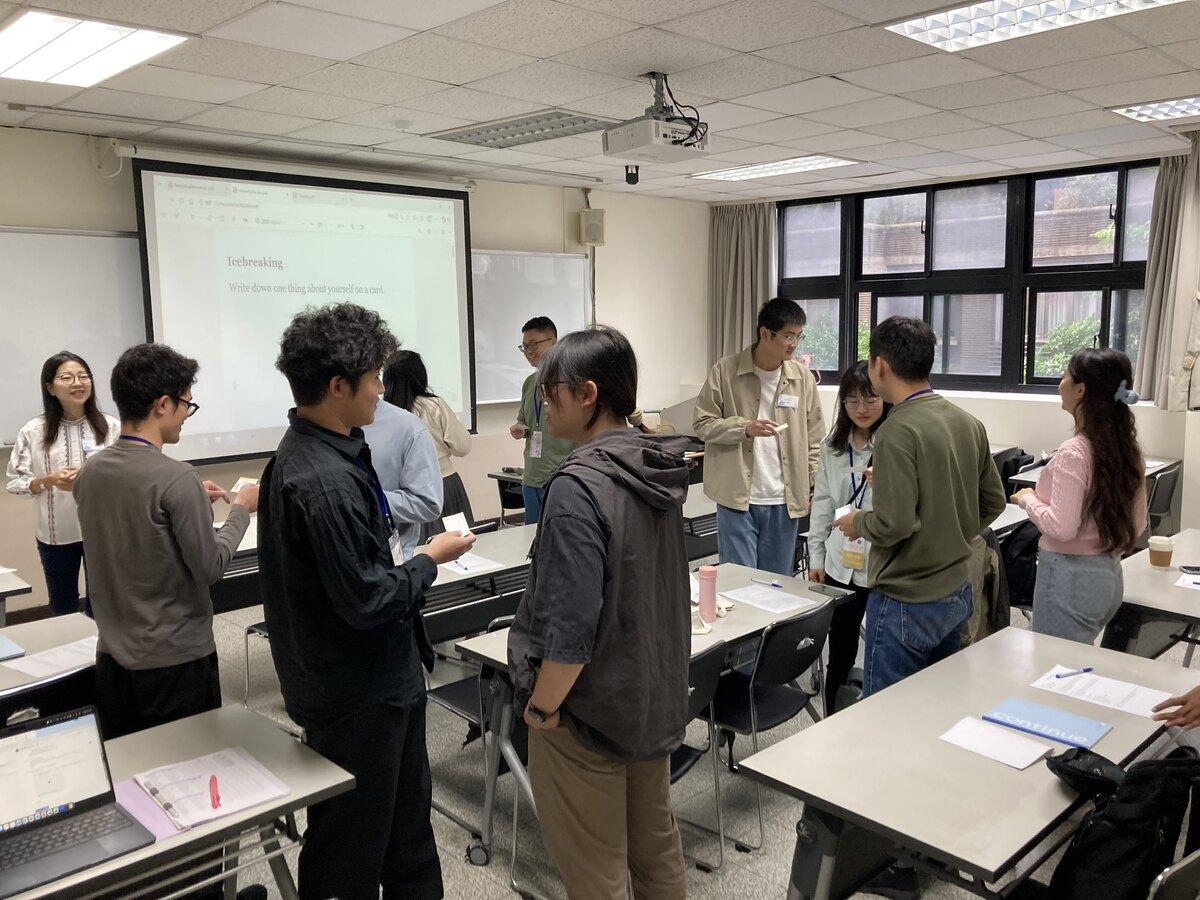
NTNUでの英語プレゼンテーションセミナー
Seminar on English presentation skills at NTNU
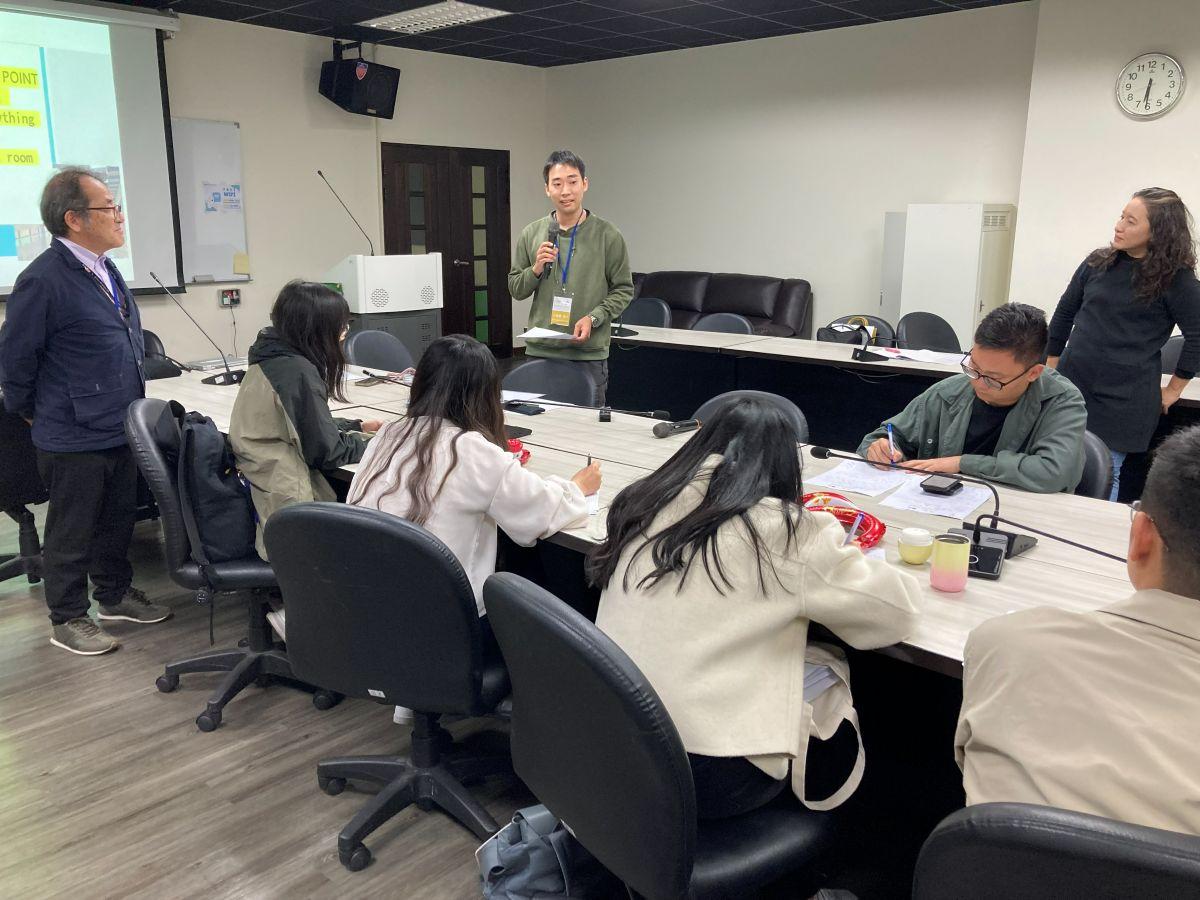
プログラムの終了時に参加者が英語で振り返りを共有している様子
Participants sharing their reflections in English at the end of the program
全行程を終えた夕刻には、プログラムの感想・印象をそれぞれ述べ合い、宋教授、メンターたちとのコミュニケーションを深めました。帰国時の朝、参加者全員に、宋教授による丁寧な個別コメント付きの日次レポートをまとめた冊子が配付されました。この冊子は、プログラムを通じた学びの記録であると同時に、参加者にとって印象深い記念品となりました。
本学は、本海外短期派遣プログラムの実施にあたり、国立台湾師範大学皆様の多大な協力と支援に心より感謝を申し上げます。本学は取り組みの成果を踏まえ、今後も博士課程学生への支援を一層充実させるとともに、国際共同の取り組みを発展させてまいります。
Eleven doctoral students from the SPRING Program at Osaka Metropolitan University (OMU) participated in the RHIZOME Global Co-Creation Camp in Taiwan from December 8 to 18, 2025. This short-term program was organized in collaboration with National Taiwan Normal University (NTNU), one of OMU’s global academic partners with which OMU has signed a memorandum of understanding (MOU).
This program is designed to foster multidisciplinary perspectives, build international networks, and enable doctoral students to deepen their cross-cultural understanding. These experiences are highly significant for students’ academic growth and future career development. This program’s objectives align with those of the SPRING program, which aims to develop students’ capacity to engage in multidisciplinary research, solve social issues, and contribute to the creation of the future global society.
The short-term program brought together doctoral students of different nationalities from five graduate schools located on various OMU campuses. The participants came from fields such as science, engineering, agriculture, medicine, and law. The students were accompanied on a rotating basis by staff members, including Specially Appointed Professors Toshio Mizuuchi and Koji Otsuka, who serve as mentors for the SPRING Program, and Specially Appointed Assistant Professor Maurice Yip. All communications within the short-term program were conducted in English.
This program was implemented in close collaboration with Professor Hui-Ling Sung, a researcher in chemistry and the Associate Vice President for Continuing Education at NTNU, as well as the Chairperson of the Nihon-Taiwan Science Education Communication Association (NTSECA). Together with the OMU team, Professor Sung contributed to designing and organizing activities that would achieve the program's goals. Following its first implementation in 2024–2025 academic year, the RHIZOME Global Co-Creation Camp was held for the second time this academic year.
The program was structured around five key components:
① Interacting with professors and graduate students at NTNU, National Tsing Hua University, University of Taipei, and National Ilan University
The participants interacted with professors and graduate students from a wide range of academic departments and research centers at NTNU. For example, in a workshop at NTNU, they tackled practical tasks while exchanging views on data handling and thinking processes. At National Tsing Hua University, the participants learned about cutting-edge technological developments and deepened their understanding of industry-academia collaboration. At the University of Taipei, the participants deepened exchanges with researchers working on urban environment and social issues. At National Ilan University, they visited an apiary, where they directly observed bee ecology in the field and learned about beekeeping practices. They also learned about the historic campus buildings and distinctive landscape of trees and plants on NTNU’s main campus. These exchanges led to productive discussions on research methods and multidisciplinary collaboration.
② Visiting Japanese scholars and companies in Taiwan
The participants visited scholars with Japanese origins and Japanese companies in Taiwan. Drawing on their extensive experiences in research and international careers, the scholars shared with the participants valuable advice on research directions and career development. Moreover, the visit to Professor Takehiko Kitamori’s laboratory at National Tsing Hua University was an opportunity to learn about the cutting edge of Taiwan’s technological advancements. During the visit to the headquarters of Panasonic Taiwan, the participants learned about the company’s history and recent developments, as well as its relationship with its Japanese parent company. It has furthered students’ understanding of corporate environments and business relations between Taiwan and Japan.
③ Conducting fieldwork on the history and society of Taiwan
Through a field trip to Jinguashi and its surrounding areas led by NTNU’s Professor Shu-Juan Su, the participants learned about the everyday life and history of the large-scale settlement that developed around former gold and copper mines during the Japanese colonial period, and they also visited a memorial hall related to a wartime prisoner-of-war camp. They also understood more about the roles of religion and temples in Taiwanese social life, as well as the geomorphology, geology, and conservation of local natural landscapes. In addition, the visits to the National Taiwan Museum, the Museum of the Institute of History and Philology at Academia Sinica, and the National Railway Museum provided further perspectives on Taiwan’s history, culture, and development.
④ Appreciating cultural characteristics in Taiwan
By learning how to play diabolo, the participants experienced a traditional aspect of local culture. Some of them even attempted to explain the physics and mathematical principles behind the diabolo tricks. The participants were also able to engage in cultural exchanges with local and international students in Taiwan. Furthermore, the participants spent an evening attending the annual sports performance show at the University of Taipei, which demonstrated the vibrant cultural activities at Taiwan's university environment.
⑤ Enhancing presentation and communication skills in English
Throughout the program, English served as the primary language of communication among participants. The program included a seminar on enhancing English presentation and communication skills. During the visit to the Yilan Museum of Art, the participants had the opportunity to meet and discuss creative works with the artists from Australia in English. Through these activities, the participants were provided with a unique opportunity to step outside their usual research routines and experience a different cultural environment.
On the final evening of the program, participants shared their reflections and impressions, deepening communication with Professor Sung and the mentors. In the morning of their departure from Taiwan, each participant received a compiled booklet of their daily reports with detailed individual comments from Professor Sung. This booklet became a memorable keepsake and a record of their learning experience throughout the program.
OMU extends its sincere appreciation to NTNU for its generous collaboration and support in implementing this short-term overseas dispatch program. Building on this initiative, OMU is working to further strengthen different supports for doctoral students and develop international collaborations.