Department of Well-being Sciences
DEPARTMENT OVERVIEW
Preparing students for diverse career paths, including professions in psychology and social welfare
Modern society faces a variety of problems and contradictions due to changes in the social structure and local communities, as well as the increasing diversification of values in the way individuals live. The Department of Human Welfare aims to deepen students’ understanding of these challenges, develop broad perspectives, specialized knowledge, critical insight, problem-solving skills, and practical competencies to respond to diverse and serious individual, community, and social issues, and contribute to the well-being of individuals and society.
In this department, students gain interdisciplinary and comprehensive knowledge related to human beings, psychology, and society, including medicine, psychology, education, economics, social welfare, and sociology. In addition, the Department provides the curriculum necessary to obtain qualifications to take the national examination for certified social workers, and is enriched with off-campus practical training and exercises necessary to develop practical skills in human services practice. In addition to cultivating communication skills in professional helping practice, practical training and exercises emphasize reflective practice and development of professional insight.
Addressing complex social issues also requires policy and institutional approaches. Learning about the current state and issues of social policies has increased interest in them, and many graduates pursue careers in public administration, social service organizations, and institutional management. In addition, students who pursue careers in the private sector are expected to make meaningful contributions in a wide range of professional fields by drawing on their understanding of human development across the life course, various life challenges, and the systems and policies that shape contemporary society.
FEATURES OF EDUCATION

Broad Learning Opportunities in Human, Psychological, and Social Sciences
Among the specialized subjects, students can take a variety of specialized subjects not limited to psychology and welfare (excluding some practical training and seminars).
With regard to career options, students can choose a wide range of career options related to human beings, psychology, and society, and can also aim to become a certified social worker.
*There is a limit on the number of students who can take practical training and seminars related to social worker qualification.
Benefits of a Small-Scale Learning Environment
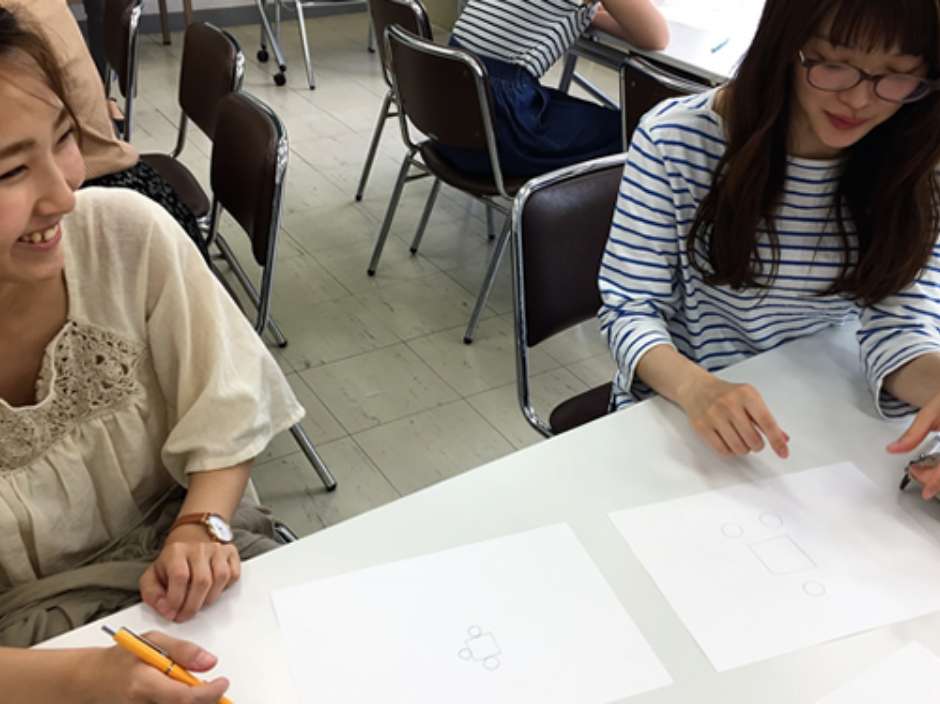
When you think of a university, you may have an image of taking lectures in large staircase classrooms, but at this department, you can learn in small classes, including seminars in small groups. The average number of students per faculty member per academic year is about three. You can have discussions in a close-knit learning environment, and you can receive thorough education and follow-up.
Extensive Fieldwork Opportunities
Extensive fieldwork opportunities are provided as an opportunity to learn in practical situations.
Career Development Support
In addition to making use of support on employment support within the university, we provide opportunities to provide information from graduates in the fields of psychology and social welfare and local and national public servants within the department, and provide opportunities to receive lectures and direct guidance from graduates during practical training and field trips at specialized institutions.
QUALIFICATION
Applicable qualifications after graduation
- Certified Social Worker (Qualifications for Examination) < Quota System Based on In-School Selection >
- Social Welfare Officer (Qualifications for Appointment)
- Child Welfare Officer (Qualifications for Appointment)
- Child Psychology Officer (Qualifications for Appointment)
- Psychological Judge (Qualifications for Appointment)