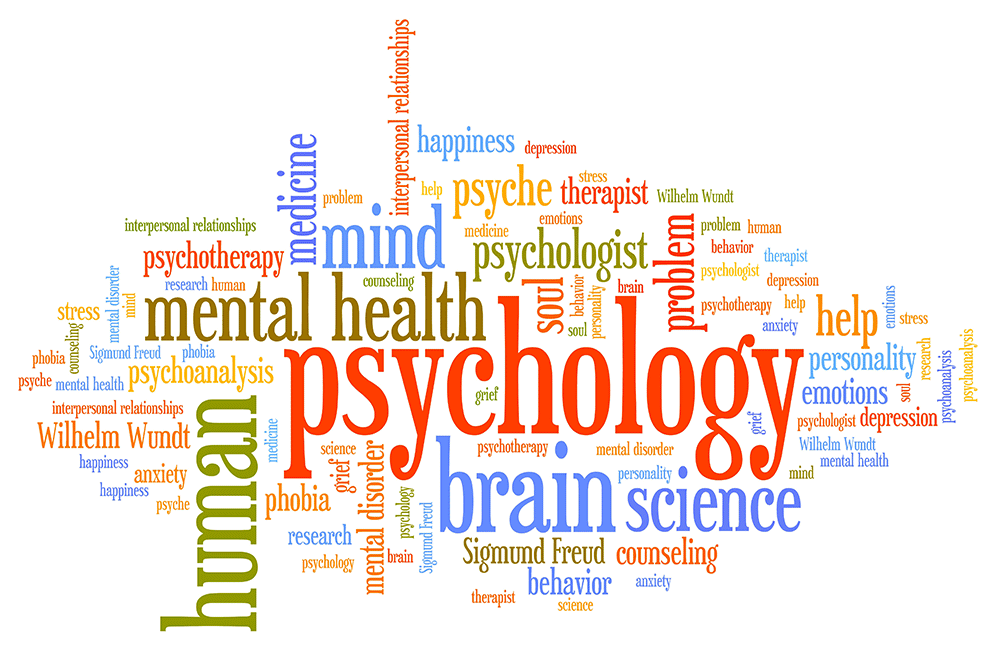
Vision & Education
Curriculum that enables integrated learning of experimental psychology and clinical psychology
A key to understanding psychological issues is to have a multifaceted approach that combines the perspectives of experimental psychology, which focuses on commonality, with clinical psychology, which focuses on individuality. The School of Psychology provides a systematic curriculum in psychology from both perspectives, and 13 members of the faculty cover a wide range of fields, from the basic psychological field to applied and neighboring disciplines. Through comprehensive education and research in psychology, we develop students’ ability to analyze and resolve the questions of how people’s minds work in various environments and how people behave as manifestations of their minds.
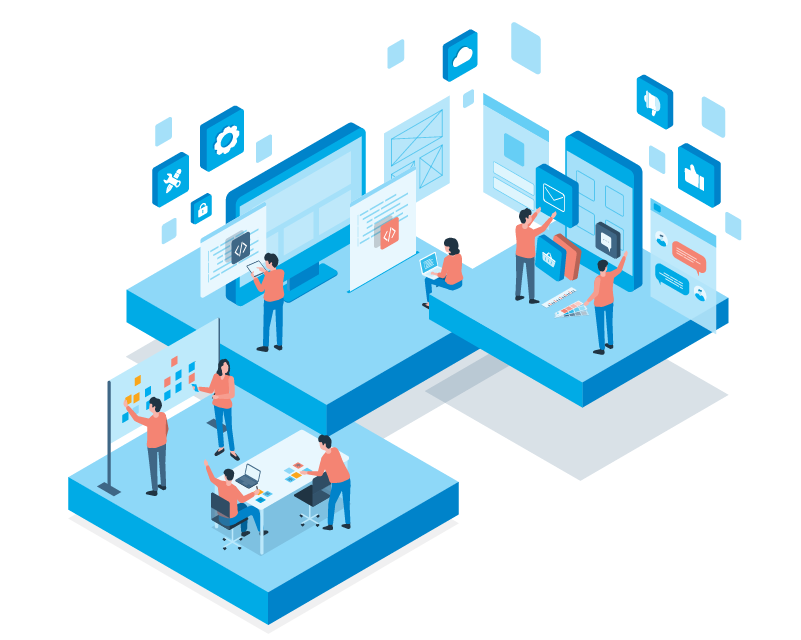
Acquisition of application and practical skills to resolve issues in collaboration with others
In the first year, through the Systems and Sustainability classes and the School’s introductory classes, students will grasp the essence of issues in modern society as interactions between diverse elements, and they will learn about how a sustainable society should be from a human perspective. In the second year, the curriculum has 20 psychology-related classes, including “Data Science,” “Understanding Different Cultures,” and “Social Welfare and Educational Issues A (Poverty and Society),” so that students can gain a well-balanced understanding of a wide range of knowledge and skills and acquire cross-disciplinary application skills, which will help them strive to resolve issues in modern society. In the third year, PBL Seminars are given to foster practical skills to resolve issues in collaboration with students from other Schools. In this way, students will learn from their experience of working hard to solve real-world problems by integrating expertise in multiple academic fields, and we help them acquire the ability to take a panoramic view of complex modern society as a system and play a role in realizing a sustainable society.
Major Courses of Department of Psychology
For details on each subject, please refer to the syllabus. For details on the PBL program, please refer to the Sustainable Systems Sciences Handbook.
| College-wide Courses・
PBL(Project Based Leaning) |
| Major Courses of academic departments |
| Related Courses of academic departments |
| First year |
|---|
|
Students understand the importance of addressing psychological challenges that arise in interactions between individuals and society, and cultivate an attitude of collaborating with others to work towards a sustainable society. |
|
Information Systems and Sustainability Natural Systems and Sustainability Social Systems and Sustainability Human Systems and Sustainability Introduction to Knowledge and Information Systems Introduction to Environmental Social System Sciences Introduction to Social Welfare and Education Introduction to Psychology |
| Human Body Structure, Function and Diseases |
| Second year |
|---|
|
Students acquire fundamental knowledge and theories in psychology, along with methods of conducting psychological experiments and tests. Through psychology-related courses, students develop systems thinking skills and the ability to apply psychological concepts across disciplines. |
| Internship Overseas Internship |
|
Clinical Psychology Industrial and Organizational Psychology Psychology for Social Welfare Psychological Experiments Psychological Research Methods Psychological Statistics I Psychological Statistics II |
|
Information Security Algorithms and Data Structures Data Science International Education and Human Development Social Problems and Social Movements in Contemporary Society Family Sociology Gender Studies and Social Issues Special Topics in Social Welfare & Education A (Poverty and Society International Law and Social Coexistence Understanding Foreign Cultures Rural and Urban Environmental Science Public Policy Politics and Political Science Introductory Economics Introductory Sociology Ethics Life science and technology in contemporary society Teaching Method of Social Studies(Civics)1A Teaching Method of Social Studies(Civics)2A |
| Third year |
|---|
|
Students enter either the experimental psychology stream or the clinical psychology stream to acquire applied knowledge, develop practical competencies, and enhance skills to work collaboratively with others through Project Based Learning (PBL) seminars. |
| PBL Seminar |
|
Responsibilities of Licensed Psychologists Psychology for Adults & Children with Disabilities Neuro- and Physiological Psychology Health and Medical Psychology Educational and School Psychology Forensic and Criminal Psychology Legal and Administrative Systems Cognitive Information Processing Seminar in Psychology I Seminar in Psychology II Seminar in Psychology III Practical Training in Psychology Psychological Statistics III Advanced Psychological Experiments I Advanced Psychological Experiments II |
| Fourth year |
|---|
|
Students will set their own research topics based on individual interests, conduct experiments, surveys, simulations, and other activities, and develop the ability to examine contemporary systems from a psychological perspective. |
|
Cultural Psychology Graduation Research in Psychology |
Class Schedule Sample (first semester of the first year)
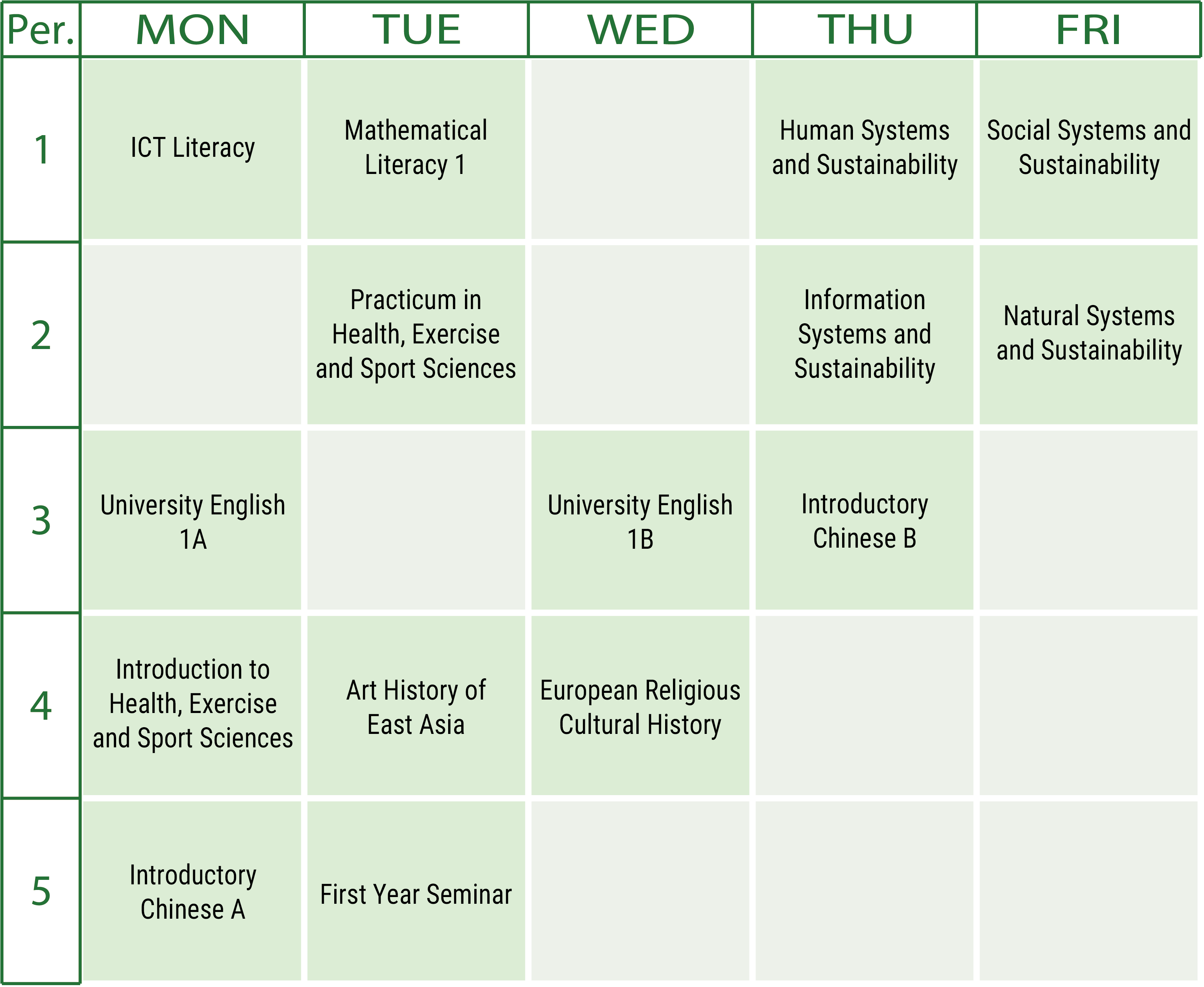
Class Schedule Sample (second semester of the first year)
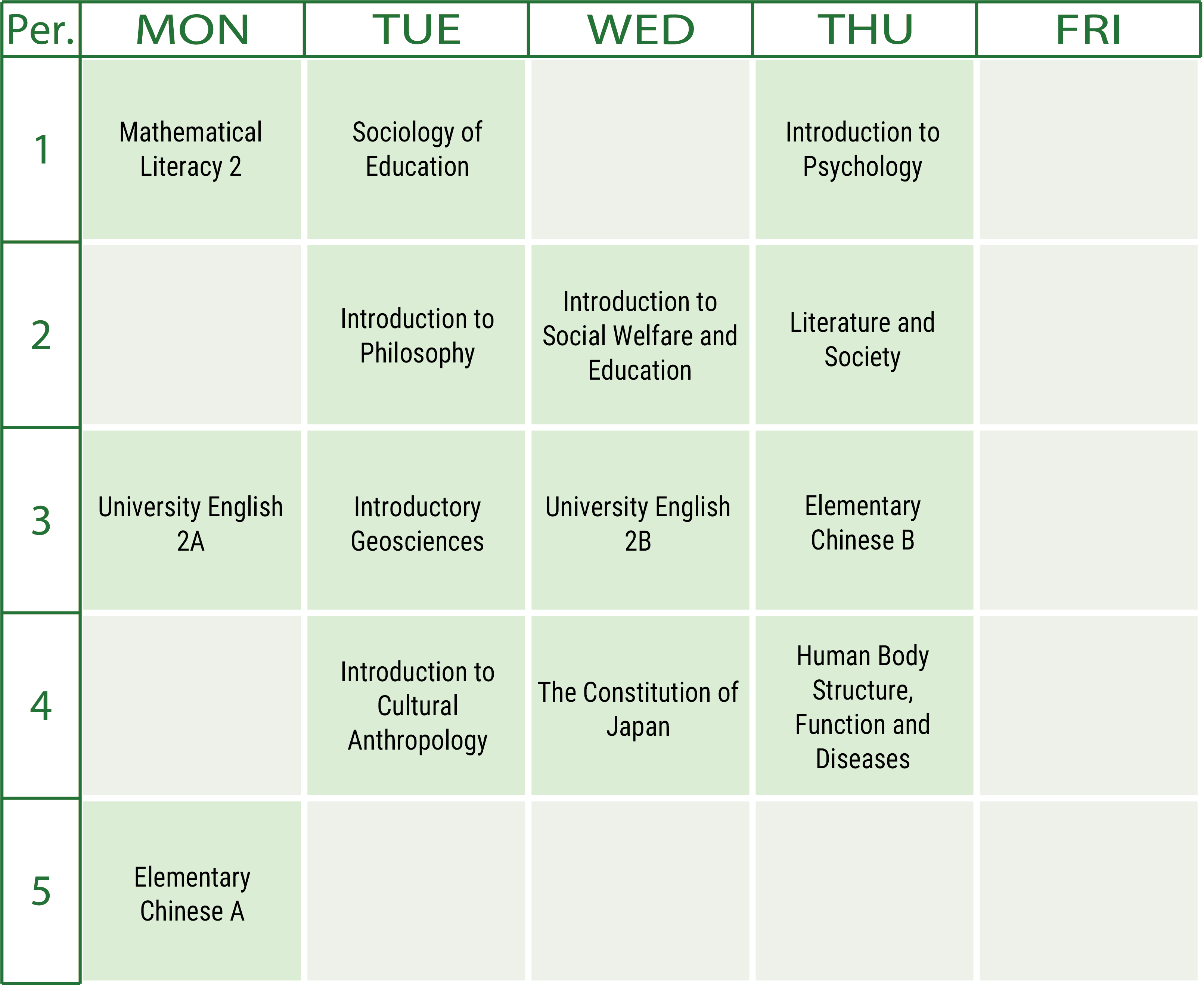
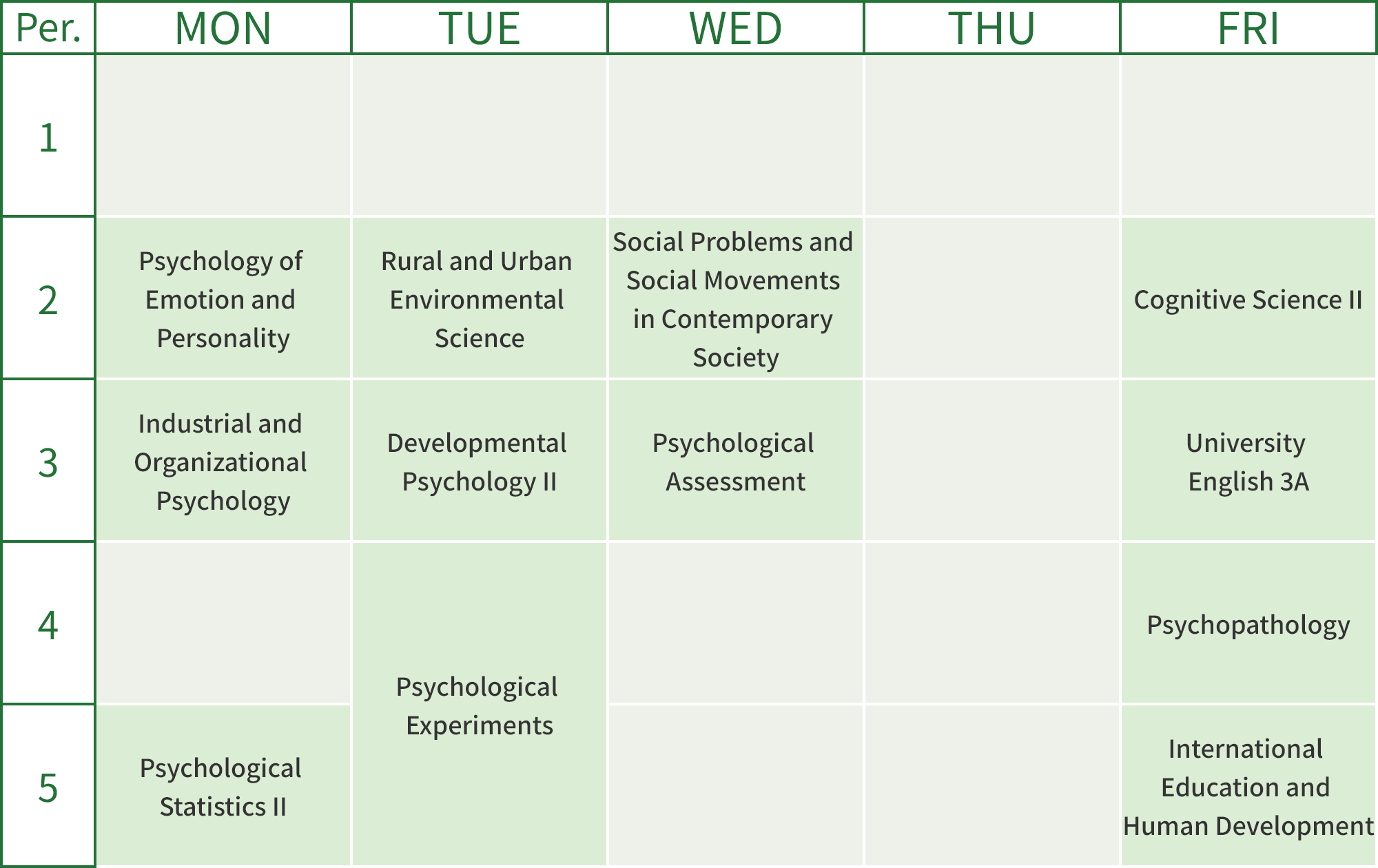
Class Schedule Sample (first semester of the second year)
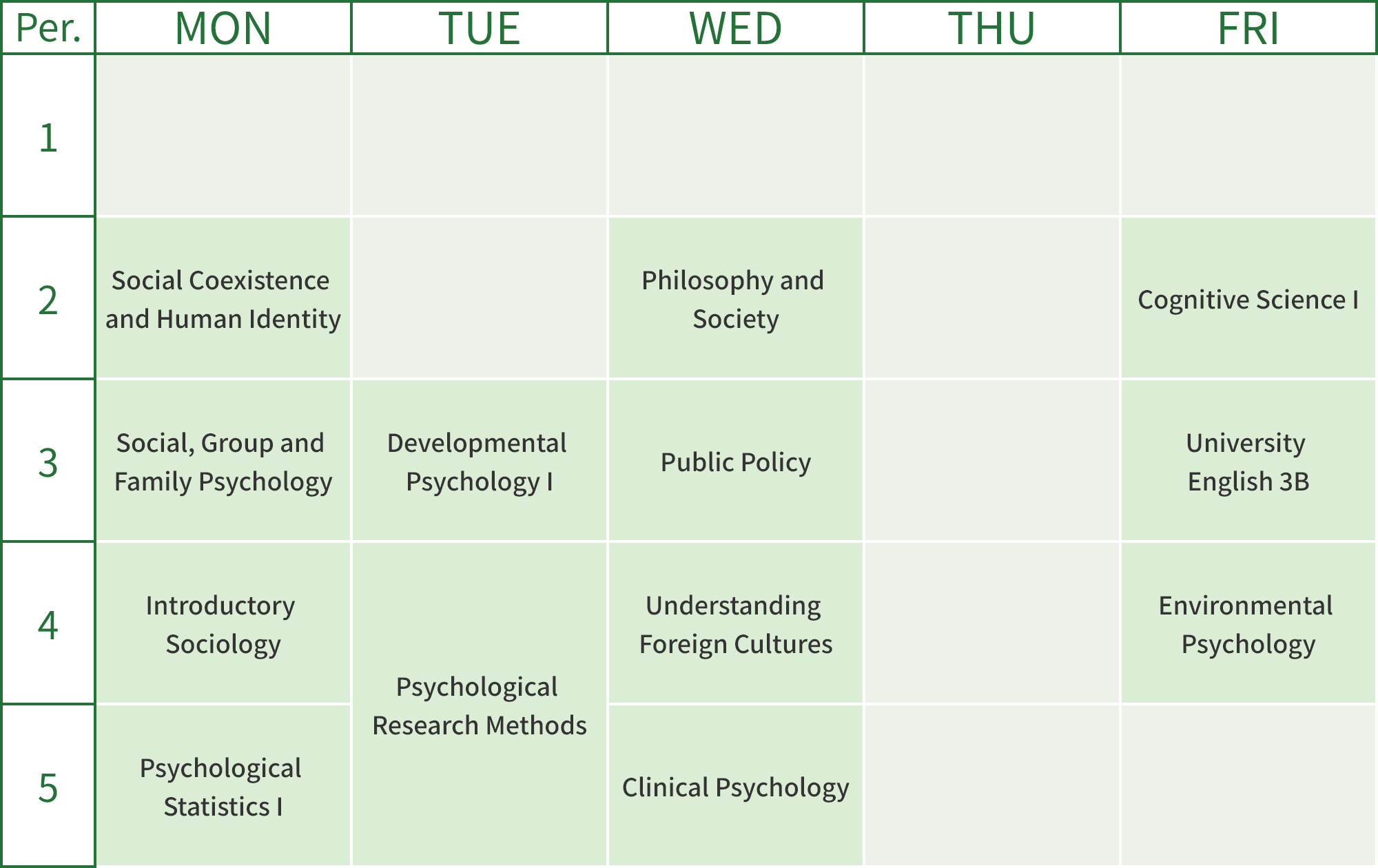
Class Schedule Sample (second semester of the the second year)